
Business Success & Leadership
The End of the Pretty Booth Era: Why Aesthetics Alone Don't Sell Anymore

Georgea
July 4, 2025
A beautifully designed booth can make a powerful first impression. It draws attention, gets compliments, and even earns a few social media mentions. But when the show is over and the numbers don't add up, it's worth asking: did that attention turn into anything real?
Many exhibitors are learning this the hard way.
They invest in sleek builds, polished counters, and on-trend displays but walk away with little more than passing praise. There is no traction, no meaningful follow-up, and no real leads.
Because in trade shows today, looking good isn't enough.
If your booth turns heads but doesn't spark conversations, drive engagement, or move the right buyers toward action, you didn't stand out—you just added more decoration to the show floor.
Let's talk about why strategy—not just style—is what actually drives results.
Why Beautiful Booths Fall Flat Without Strategy
This happens more often than people admit, especially in teams where design is prioritized by the brand team, not the buyers.
You end up with:
- Messaging that's beautifully printed… but says too much or nothing at all
- Layouts that impress from a distance… but create dead zones inside
- Interactives that look modern… but don't connect to your offer
And then comes the real gap: the booth staff doesn't know how to carry the energy of the space into a focused conversation.
When strategy is absent, design becomes surface-level. It gets noticed but not remembered. It attracts people but doesn't engage them. It becomes a prop, not a tool.
What High-Performing Booths Do Differently
They don't stop at "looking good." They're built to perform. Every design choice connects back to a purpose, and that purpose is conversation, not compliments.
Here's what those booths tend to get right:
- They speak to your buyer, not your internal brand team
Every visual cue answers the question: "Is this for me?" - They deliver a message in seconds, not paragraphs
Because no one's reading four blocks of text in a busy aisle. - They drive qualified conversations, not just casual visits
Layout, signage, and staff flow are aligned to start and guide meaningful interaction. - They make follow-ups easier
Because the messaging was clear from the beginning, and the handoff was intentional.
This isn't accidental. It's planned. It's tested. And it works.
Design Still Matters—But Purpose Comes First
Let's be clear: no one's saying design doesn't matter. It absolutely does.
But great design is a means to an end. It should support your strategy, not replace it.
Because without purpose? Even the most impressive booth becomes forgettable. It might win Instagram—but it won't win attention from the buyers who matter.
So, if you design for visual impact only without anchoring it to message clarity and staff readiness, you're building a very expensive display with very little return.
Ask the Harder Question
Instead of asking "Will it look good?", ask this:
- What message is our booth design delivering?
- Is that message clear, relevant, and ownable?
- Can our team carry that message into conversations that move somewhere?
Because at the end of the day, aesthetics won't carry the weight of strategy. And the prettiest booth in the hall won't help if your buyers walk away unsure of what you do.
It's Time to Design for Performance, Not Praise
You don't need more compliments.
You need more connection.
More clarity.
More conversations that go somewhere.
The next time you walk your floorplan or review your graphics, don't just look at what's beautiful—look at what's working.
Because beauty might stop someone in their tracks, but clarity is what keeps them there.



Featured Projects
Trending Article


November 24, 2025

November 6, 2025

November 6, 2025
Brand & Design
Georgea
The Hidden Power of a Trade Show Display Case: Turning Products Into Show-Stoppers
Your hero product deserves more than a corner on your booth. Yet at most trade shows, it ends up blending into the background, buried under signage, giveaways, and distractions. A well-placed trade…




Featured Projects
Featured Projects



Custom exhibit design, ops & logistics saved over $26,500/year and elevated audience engagement at major shows.
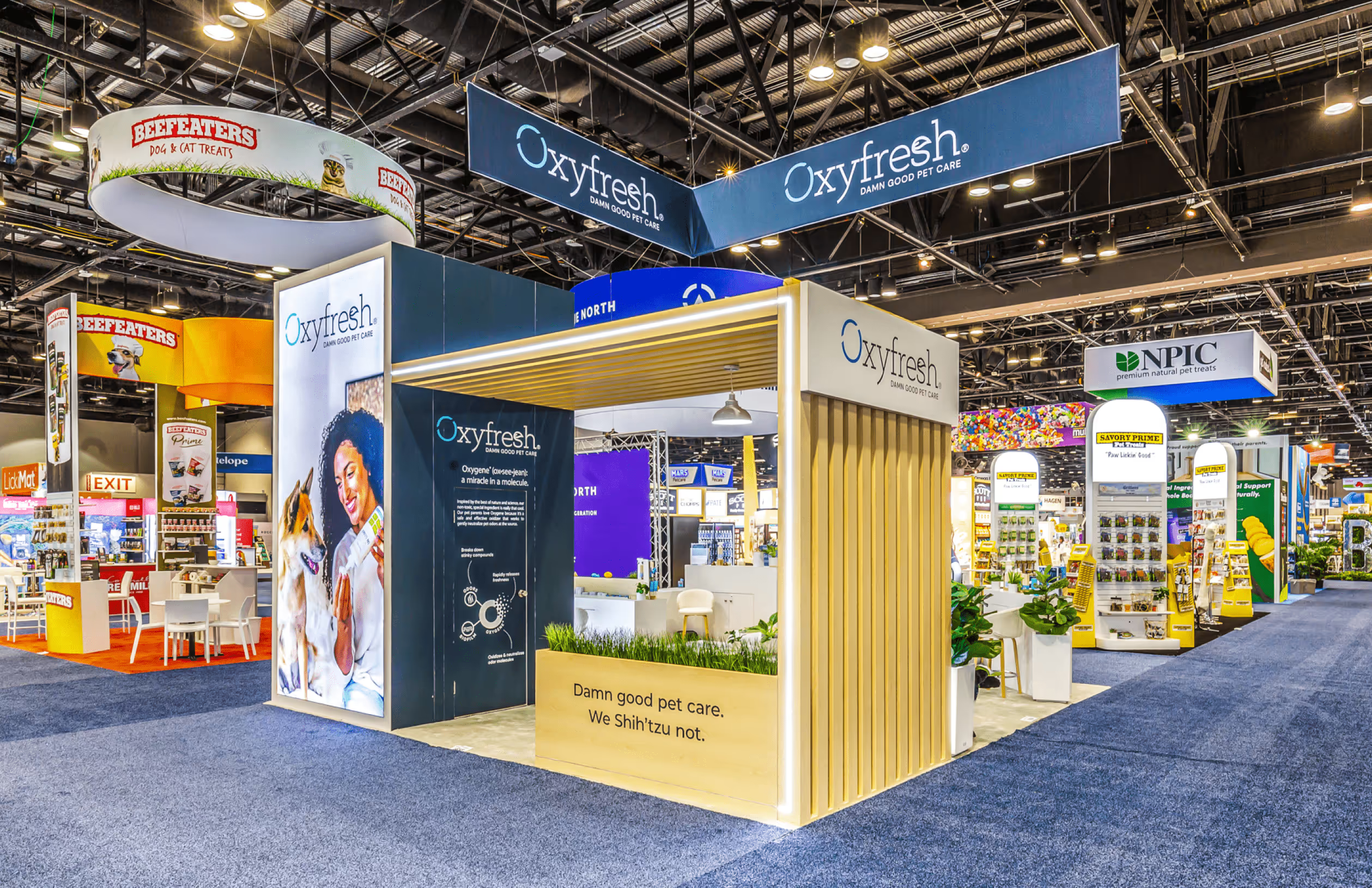
3X - Custom booth design and layout strategy led to a 3X increase in lead capture at Natural Products Expo West.
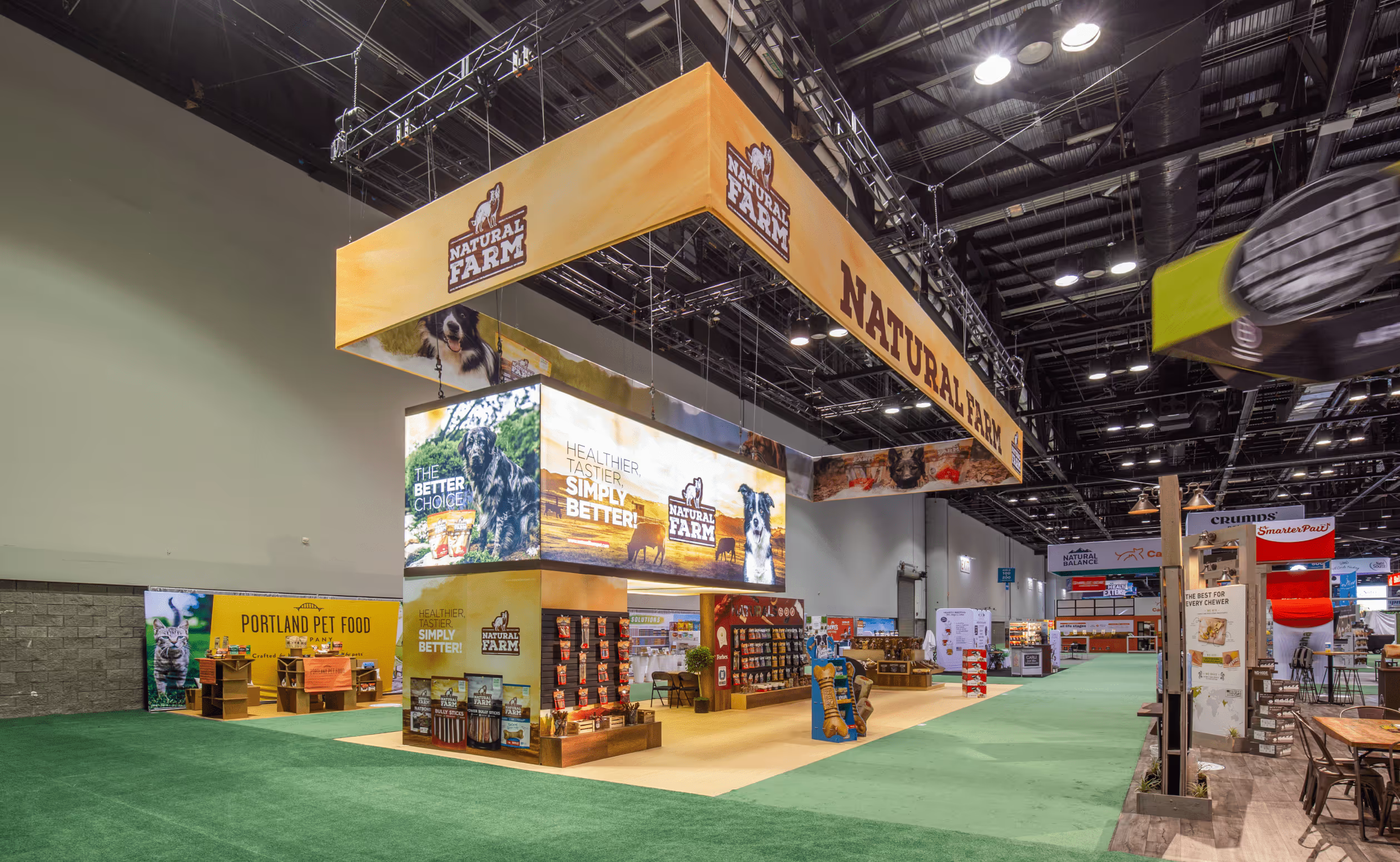

Logistics, staging, and communication were streamlined. EXHIB-IT turned chaos into order: cost control, smoother shows, and peace of mind.
Setup time cut in half. A 30×50 custom booth reduced labor by 192 hours and boosted vendor visibility across the ARA floor.
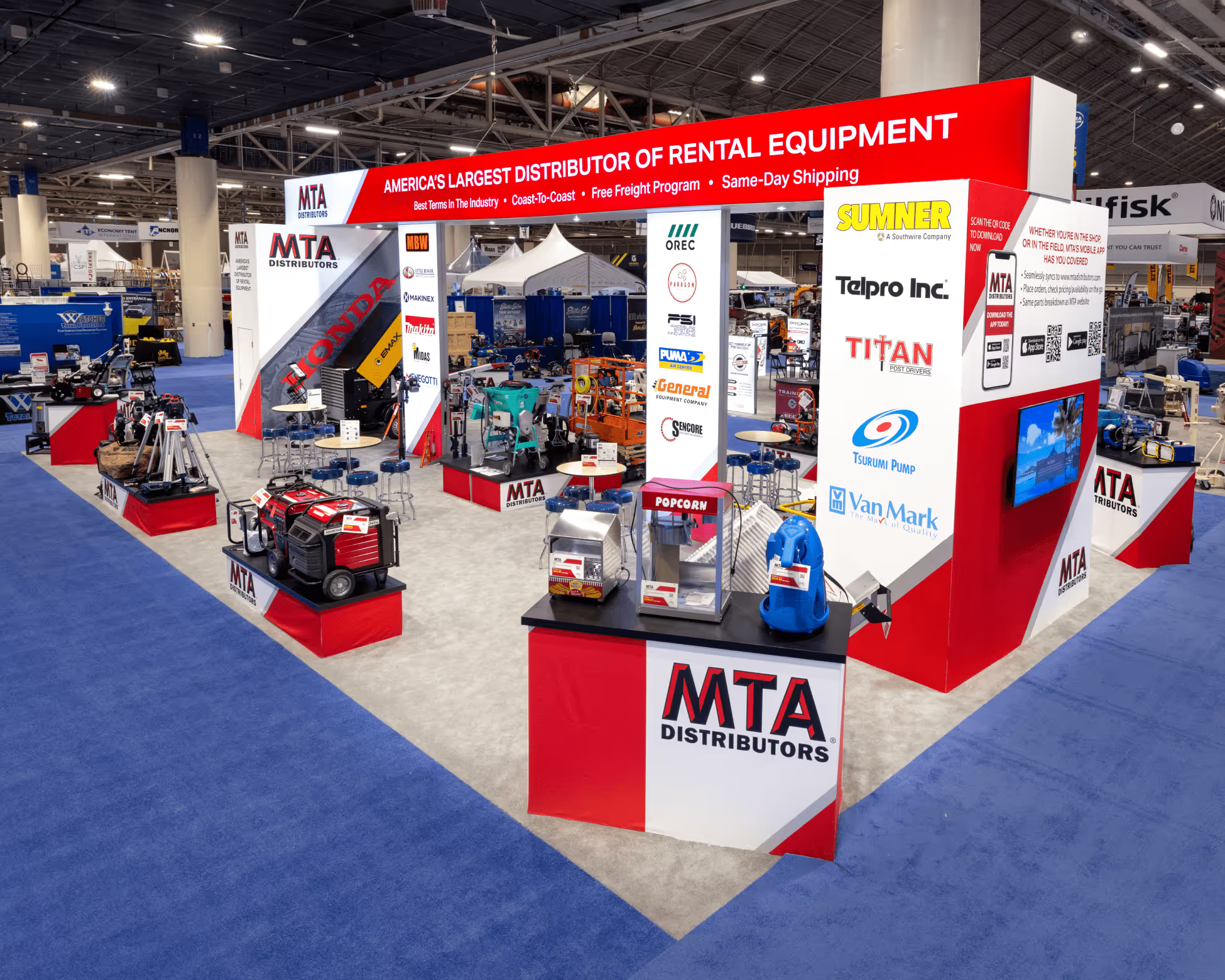
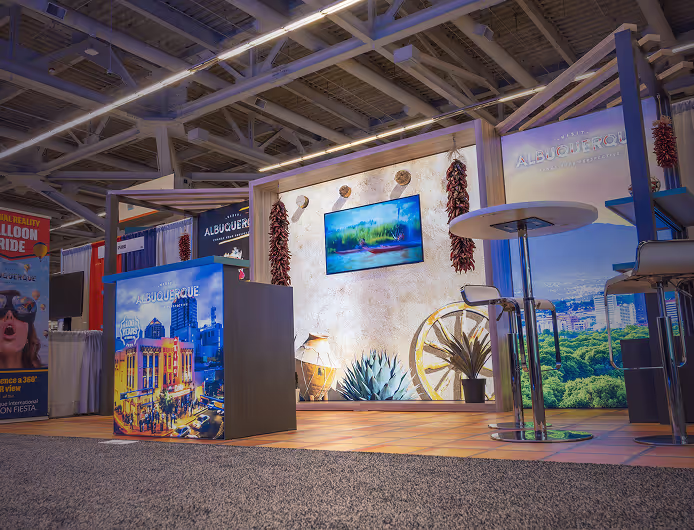
Immersive, culture-first design turned a 20×10 space into a showcase of New Mexico, with adobe textures, local art, and community pride.
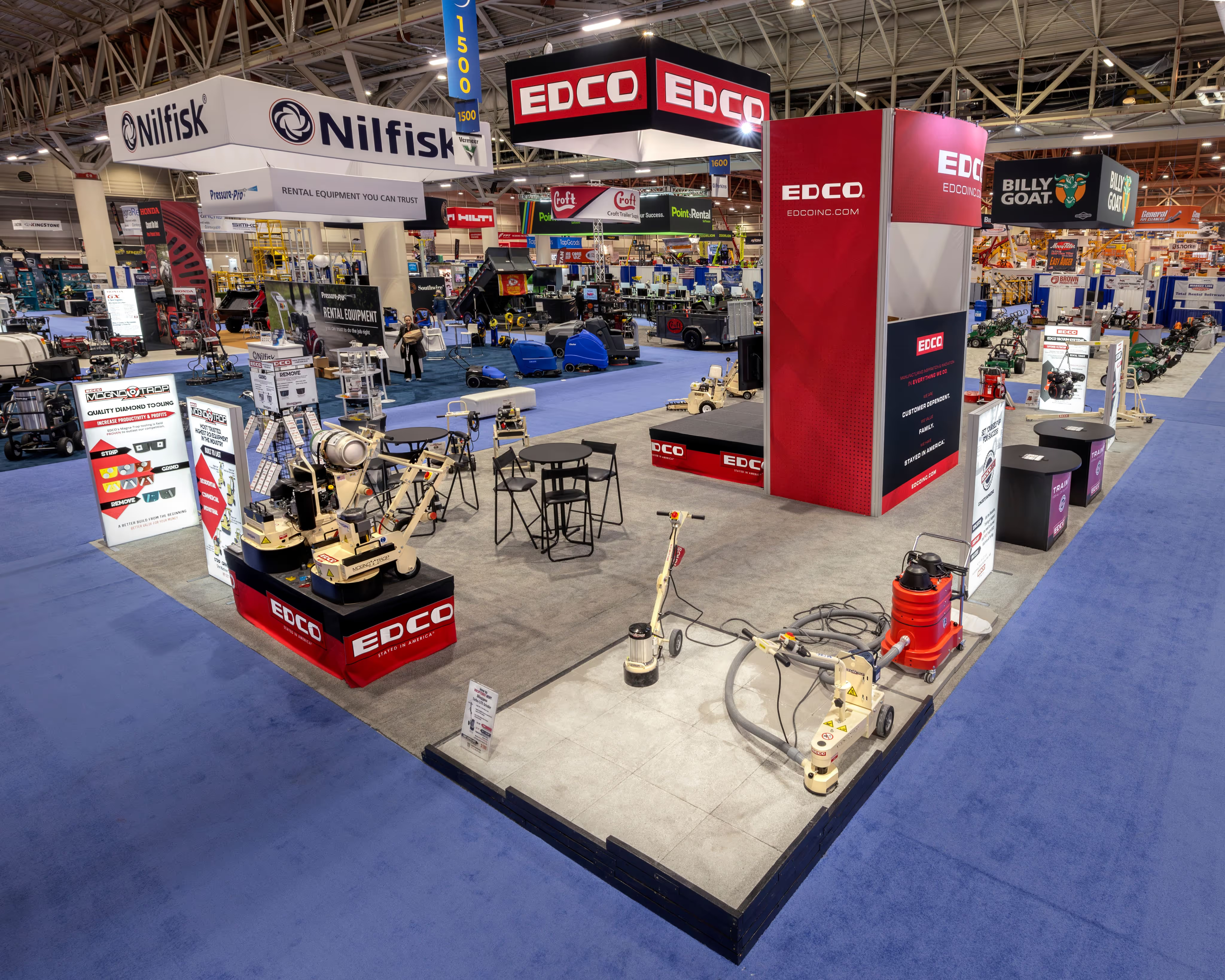
Open-concept booth brought machinery to life. Live demos and training increased engagement and positioned EDCO as industry leader.