
Trade Show Success
Stop Designing Before You Know What You're Saying

Georgea
September 23, 2025
It's easy to get excited about colors, graphics, and renderings. But too often, teams start with the design and only later think about what the booth is actually supposed to communicate.
The result? Hero messages that don't fit the backdrop. Demo stations tucked in corners. Lead flows that don't match the story your reps are trying to tell.
It's not a bad design. It's a backwards design.
Why Starting With Design Can Backfire
Booth design should support your strategy, not the other way around. Ask yourself: Does your layout tell the story your visitors need to see?
When you start with graphics and hardware without a clear message, everything else becomes a compromise. Visitors may stop, look, and move on—because the flow doesn't make sense and nothing guides their attention.
Even a visually stunning booth can fail if it doesn't align with your messaging and buyer journey.
Build Your Booth Around Your Strategy
Start with clarity. Focus on three things first:
- Your messaging – What is the one idea you want visitors to remember?
- Your buyer journey – How should visitors move through the booth to understand your offering?
- Your team's goals – What must your reps accomplish during each interaction?
Once these are defined, every design choice becomes purposeful, from graphics to layout to technology. A booth designed this way doesn't just look good; it works.
The Result of Strategy-Driven Design
Booths built around a strategy guide visitors naturally. Lead capture flows better. Interactive elements are placed where they make the most impact. Staff can focus on converting interest into action rather than improvising.
Small, mid-sized, or large teams, any exhibitor can benefit from this approach. The difference is a booth that supports your story, not one that just takes up space.
Before committing to renderings or hardware, start with your message, goals, and buyer journey. Need help aligning design with strategy? Talk to Exhib-it about creating a booth that performs as well as it looks.



Featured Projects
Trending Article


November 24, 2025

November 6, 2025
November 6, 2025
Brand & Design
Georgea
The Hidden Power of a Trade Show Display Case: Turning Products Into Show-Stoppers
Your hero product deserves more than a corner on your booth. Yet at most trade shows, it ends up blending into the background, buried under signage, giveaways, and distractions. A well-placed trade…




Featured Projects
Featured Projects



Custom exhibit design, ops & logistics saved over $26,500/year and elevated audience engagement at major shows.
3X - Custom booth design and layout strategy led to a 3X increase in lead capture at Natural Products Expo West.
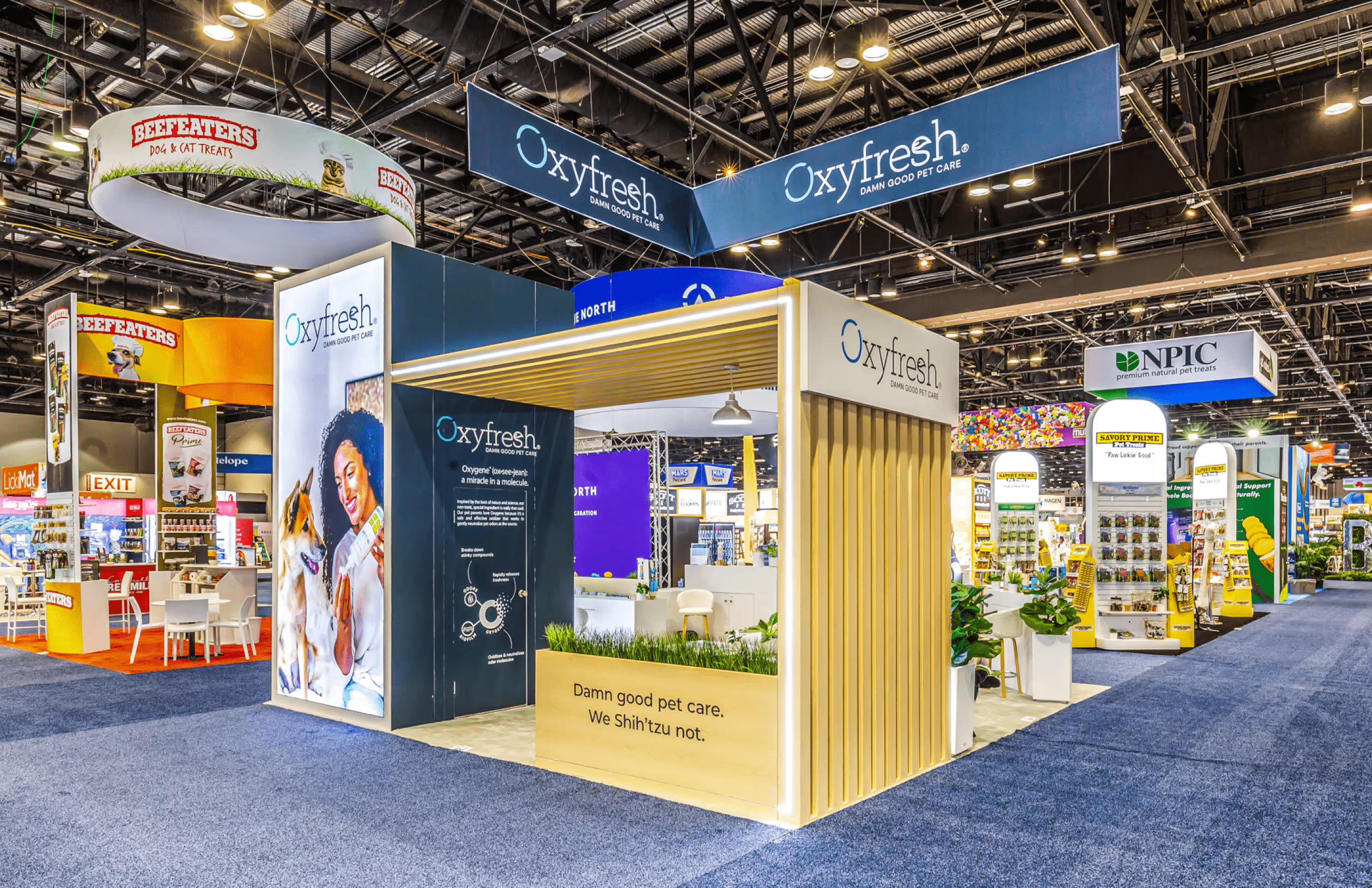
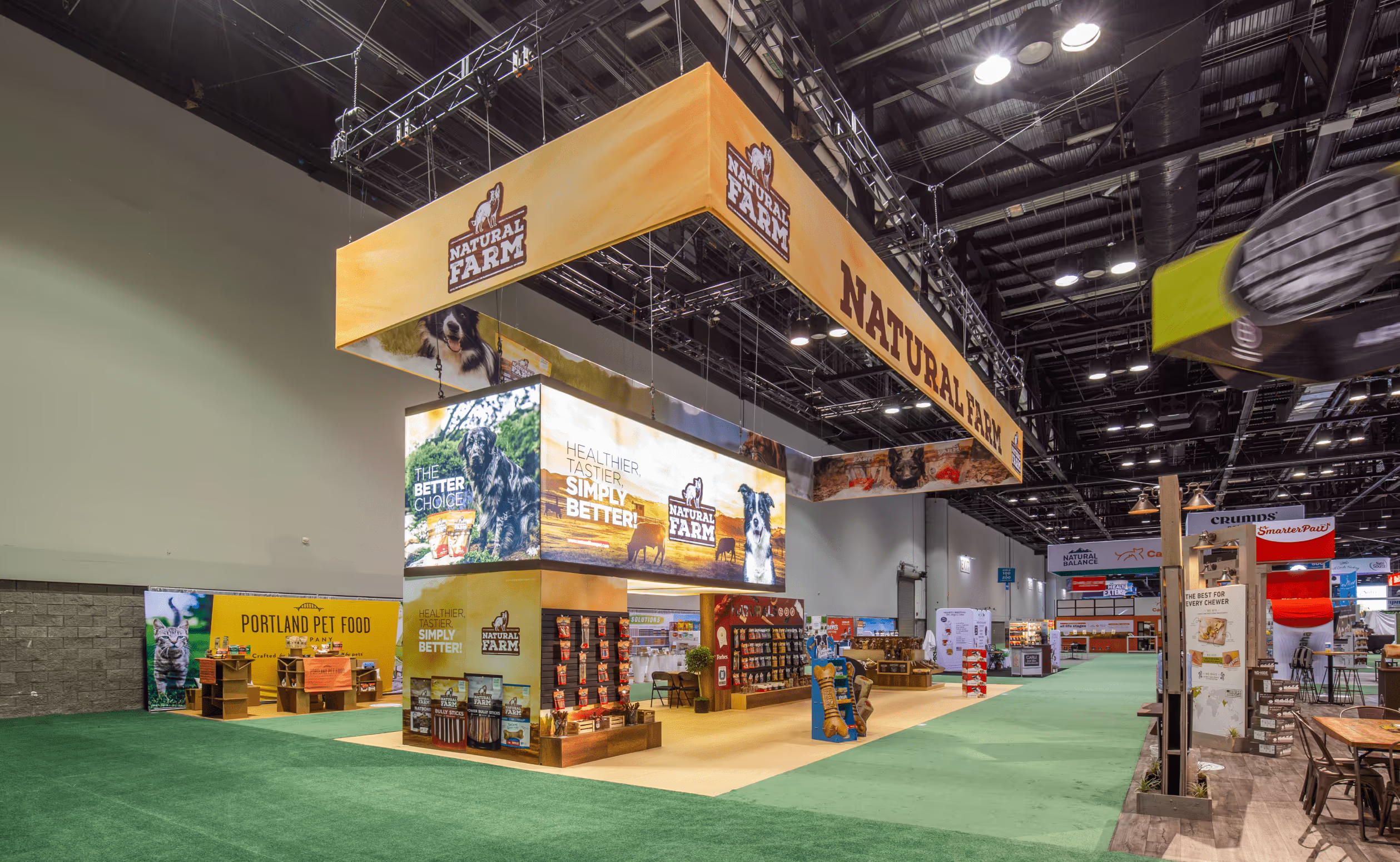

Logistics, staging, and communication were streamlined. EXHIB-IT turned chaos into order: cost control, smoother shows, and peace of mind.
Setup time cut in half. A 30×50 custom booth reduced labor by 192 hours and boosted vendor visibility across the ARA floor.
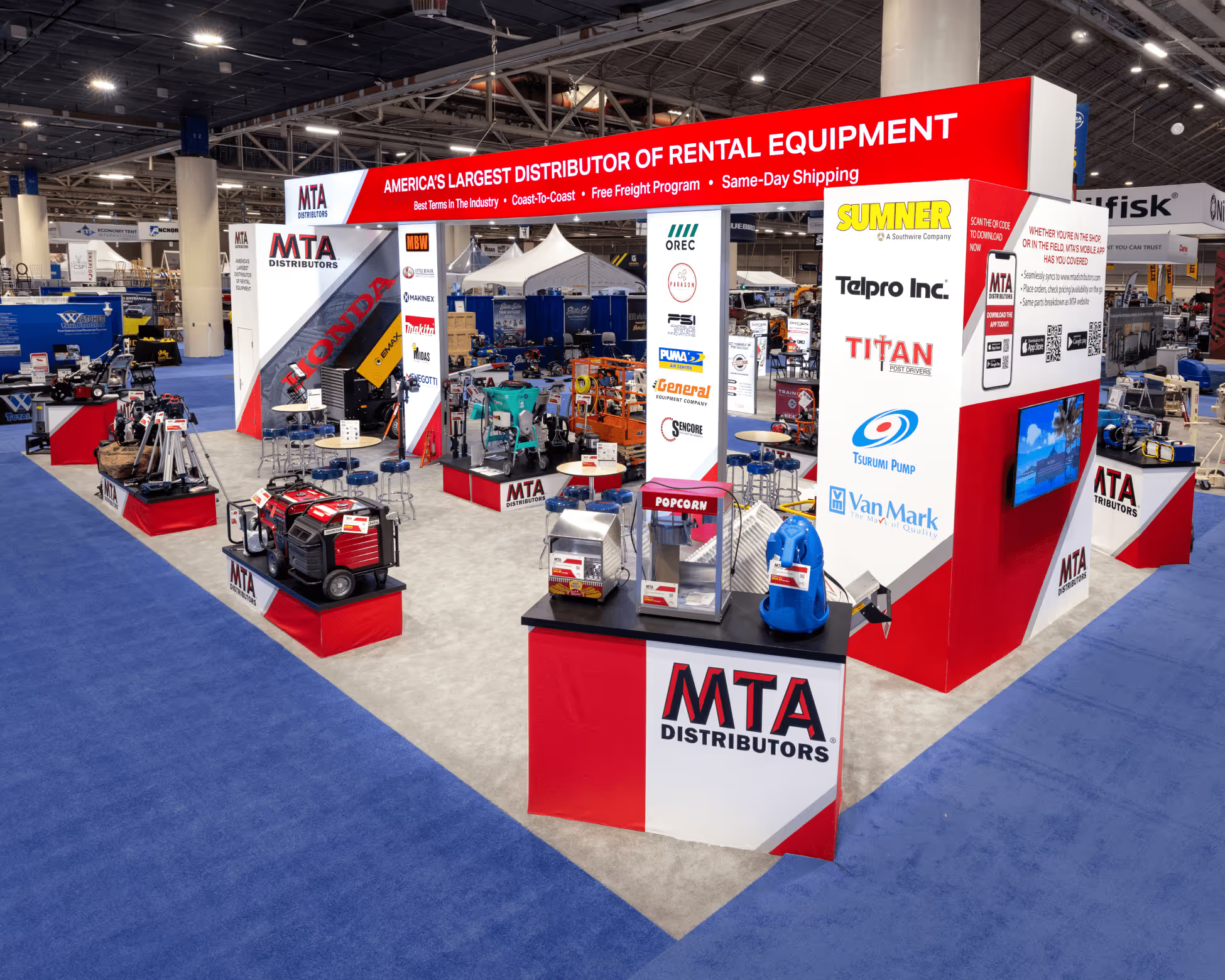
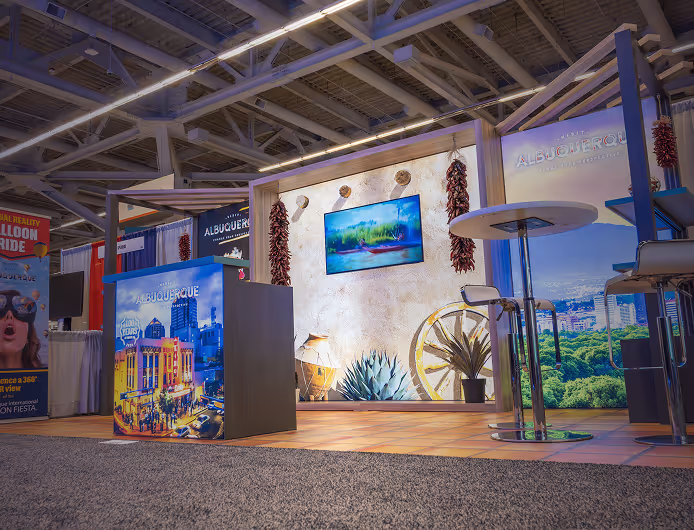
Immersive, culture-first design turned a 20×10 space into a showcase of New Mexico, with adobe textures, local art, and community pride.
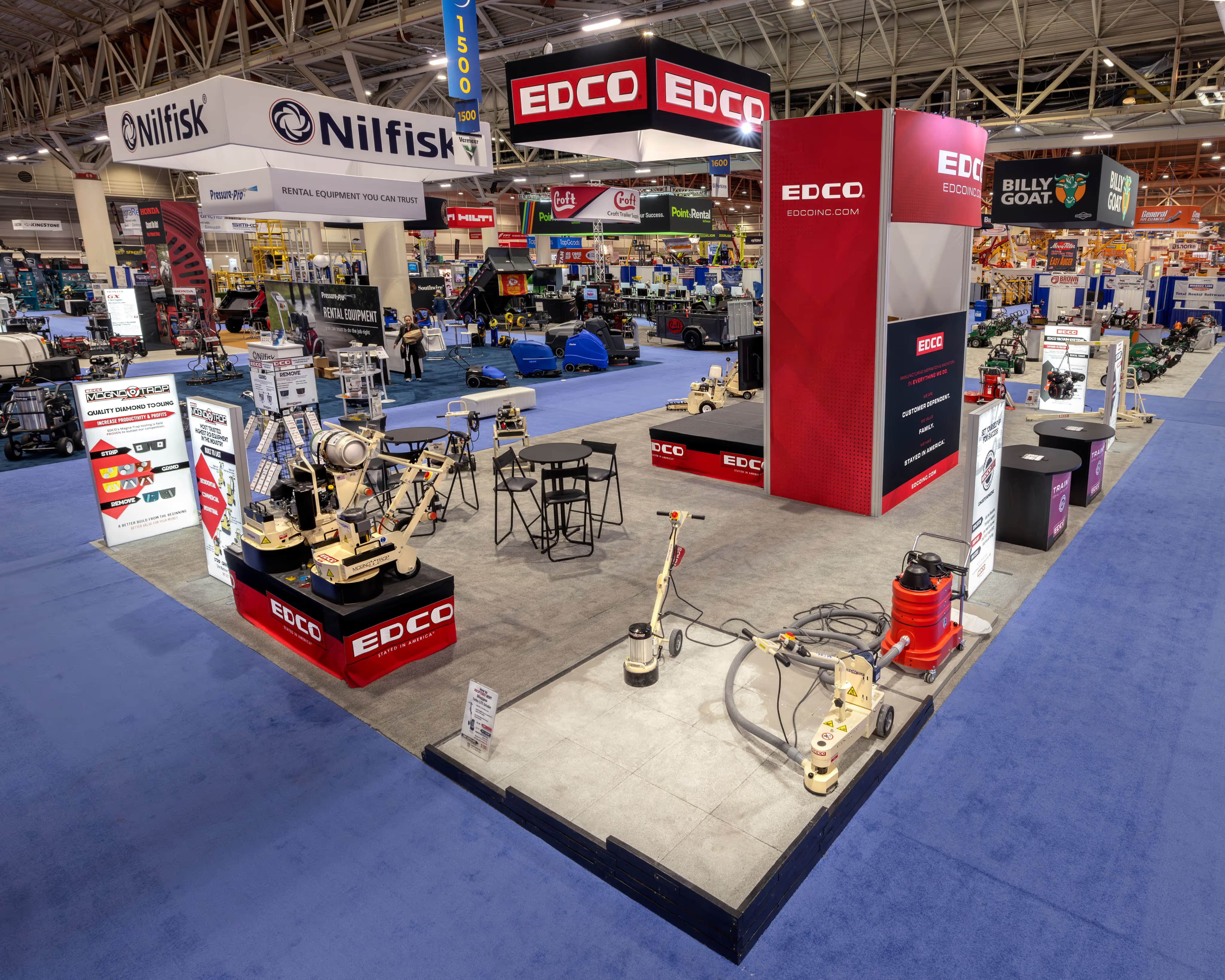
Open-concept booth brought machinery to life. Live demos and training increased engagement and positioned EDCO as industry leader.