
Trade Show & Event Promotion
Small-scale Projection Mapping Tips for Event Organizers
Georgea
September 19, 2018
Small-scale Projection Mapping Tips for Event Organizers
A large projection mapping installation can turn an ordinary trade show, expo or business conference into an eye-popping theatrical performance complete with media coverage but it usually carries a hefty price tag. The good news is that, when executed properly, small-scale projection mapping can be just as engaging as large installations, minus the high cost.
Projection Mapping Technology Overview
In its simplest form, projection mapping is the art of projecting light shapes, patterns of light or images onto ordinary objects, causing those objects to come alive visually. Event organizers can choose from several projection mapping techniques, including:
- Video projection
- 2D image projection
- 3D image projection
Video and 3D projection mapping projects are generally more expensive to produce than simple 2D, but even 2D can be equally intriguing when done well. For example, merely projecting an image from the ceiling down onto a ballroom floor can completely change the tone and mood of the entire room.
Projection Mapping vs. LED Walls
Compared to LED walls, projection mapping installations have a softer look, require less technical expertise for setup, are ideal for small spaces, work well with standard-sized screens and objects, and boast a faster setup time. In addition, the equipment is generally much lighter-weight than LED walls. Of course, as with any technology, projection mapping does present a few disadvantages. Projector lamps can be expensive. Not only that, but one non-working projector lamp will disable your entire display, so keeping a spare bulb on-hand is essential. Projectors can also be a bit noisy and they tend to heat up a small room, so you'll want to be sure that the air temperature in your meeting space can be easily adjusted.
Projection Mapping Program Options
Projection mapping presentations can be created as:
- Simple looping modules Image sequences repeat over and over without the need for human intervention
- Interactive modules An alternative to virtual reality programs, where attendees can touch the projection panel and change the image or color
- Manually-controlled modules The projection operator can change the image or movement sequence by manually interacting with it
Advantages of Projection Mapping for Event Organizers
For event organizers on a tight budget, projection mapping is a less expensive alternative to LED walls. In addition, projection mapping creates higher engagement amongst attendees, which often leads to social media buzz or even media coverage.
Some event organizers are even using projection mapping in place of traditional backwalls, hanging signage, and banners to reduce or completely eliminate shipping and drayage costs.
Look Up, Look Down, Look All Around
Traditionally, projection mapping is most often used to project images from the floor of an auditorium to a large screen on-stage. But really, the sky's the limit! Projectors are flexible and can be positioned almost anywhere, depending on the look you're trying to achieve and the space available.
For example, by mounting projectors from the ceiling or truss, you could create the illusion of, say, a waterfall and koi pond on the floor below.
Small-scale Projection Mapping Ideas
While we all envy the huge, 3D projection-mapping projects developed by big corporations like Bell Helicopter over the years, event organizers should know that small-scale projection mapping installations can still bring the "wow" factor.
For example, try projection mapping from the ceiling down onto a dining, banquet or conference room table. Or how about projection mapping onto an ice sculpture, a speaker's podium, or even a cake?
Tips on Choosing a Space
Projection mapping is well-suited for small spaces, but bear in mind that the technology requires that a certain amount of square footage exists between the projector and the object being projected upon to avoid image distortion. In addition, when choosing a space for projection mapping, experts suggest the following:
- To get more exposure, make sure it's a space that will see repeat foot traffic from attendees (a common area or ballroom, for example)
- Make sure that whatever projection surface you choose is non-reflective to ensure the highest quality projection image with no glare or flashes
Do-It-Yourself Options
For projects that require complicated video projection, blending, or manual interaction, hiring a professional AV company is often the best decision an event organizer can make. However, if you have a tech-savvy staff and a simpler projection mapping project in mind, developing your program in-house is definitely doable. If you've decided to go the DIY route, here are a few suggestions from the pros:
- Planning: Start working on your projection mapping project a minimum of six weeks in advance of the event
- Software: For full-motion graphics, use Adobe After Effects and Illustrator software, or for a simpler approach, you can create basic animation on PowerPoint such as simple rotation to create movement
- Equipment: Rent or purchase a projector that's dedicated only for use at the upcoming event, and you'll likely want to purchase a separate server and a brand new external hard drive as well
Have you tried projection mapping yet? How was it received? We'd love to hear about your experience in the Comments section below.




Featured Projects
Trending Article


November 24, 2025

November 6, 2025
November 6, 2025
Brand & Design
Georgea
The Hidden Power of a Trade Show Display Case: Turning Products Into Show-Stoppers
Your hero product deserves more than a corner on your booth. Yet at most trade shows, it ends up blending into the background, buried under signage, giveaways, and distractions. A well-placed trade…




Featured Projects
Featured Projects



Custom exhibit design, ops & logistics saved over $26,500/year and elevated audience engagement at major shows.
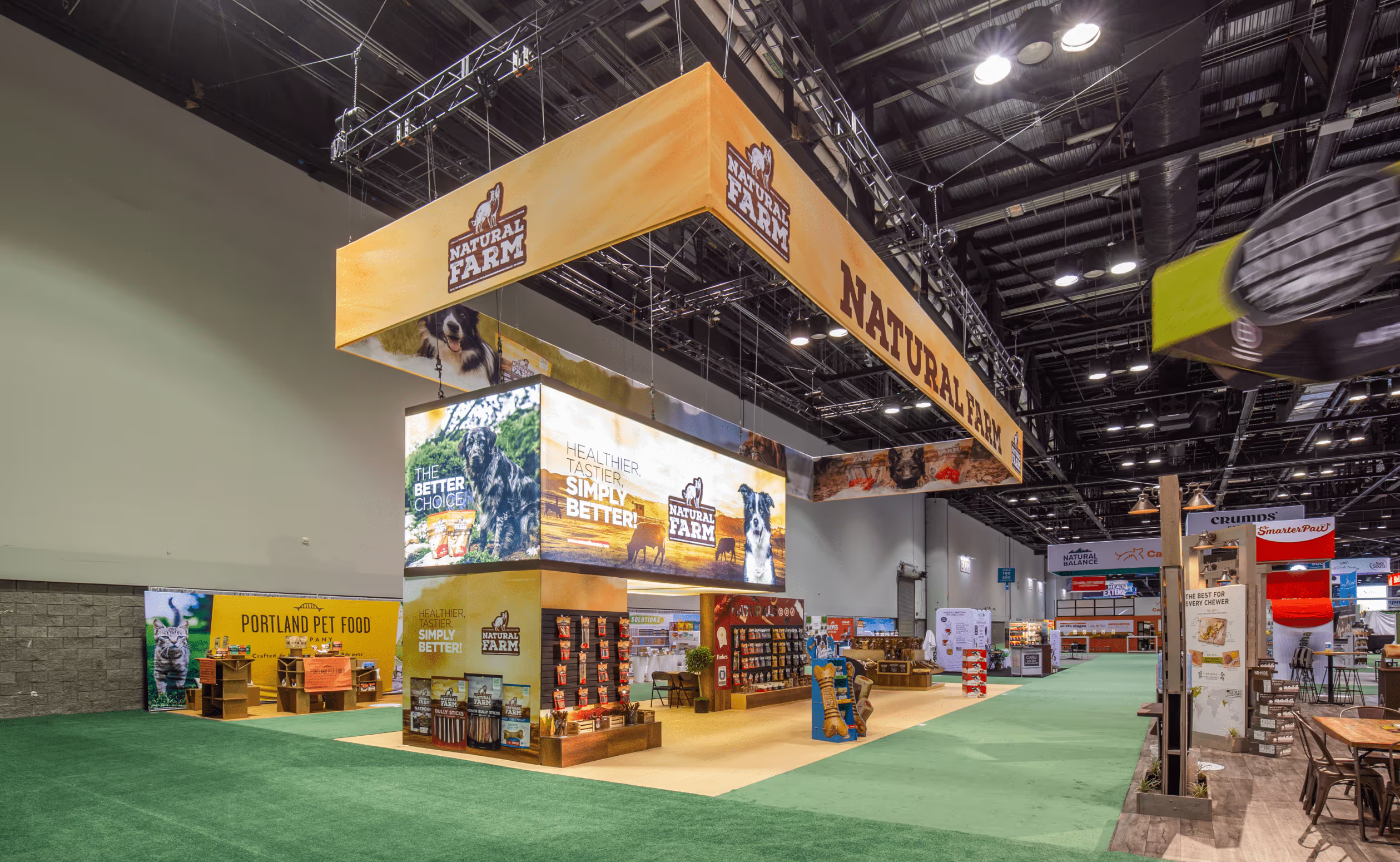
3X - Custom booth design and layout strategy led to a 3X increase in lead capture at Natural Products Expo West.
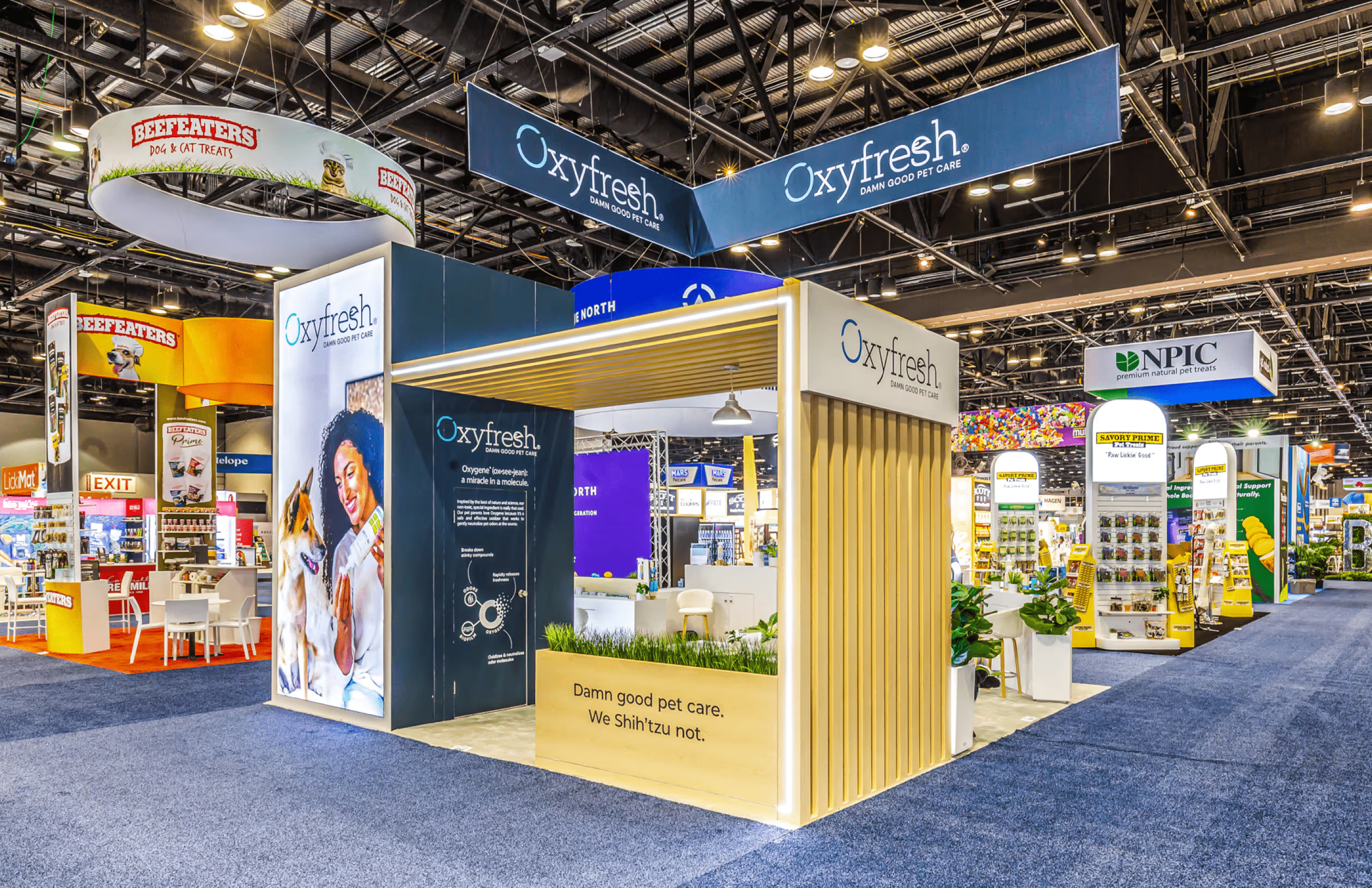

Logistics, staging, and communication were streamlined. EXHIB-IT turned chaos into order: cost control, smoother shows, and peace of mind.
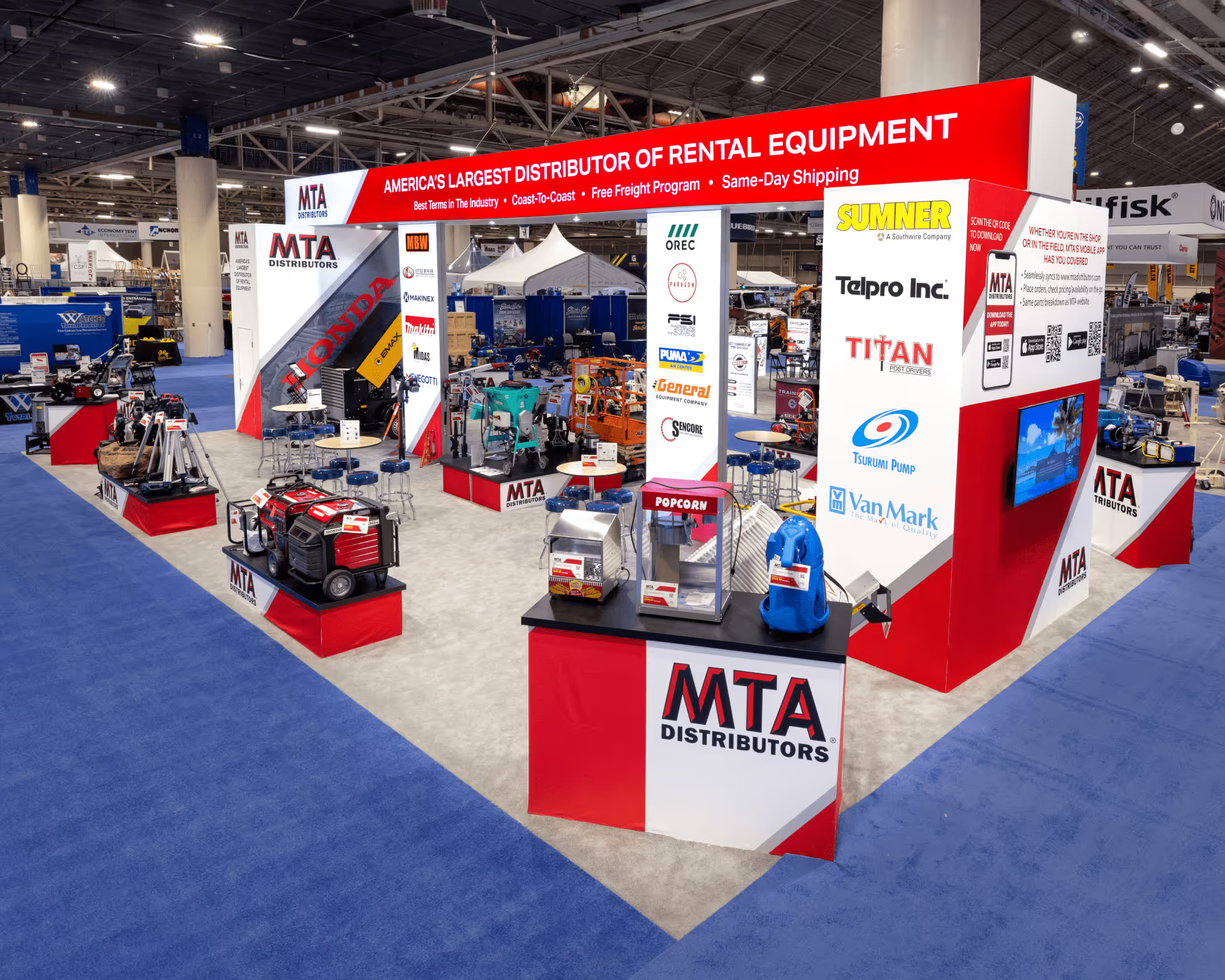
Setup time cut in half. A 30×50 custom booth reduced labor by 192 hours and boosted vendor visibility across the ARA floor.
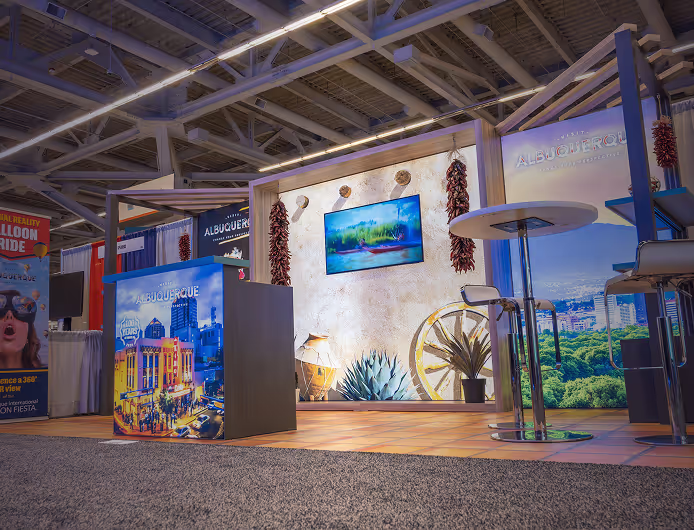
Immersive, culture-first design turned a 20×10 space into a showcase of New Mexico, with adobe textures, local art, and community pride.
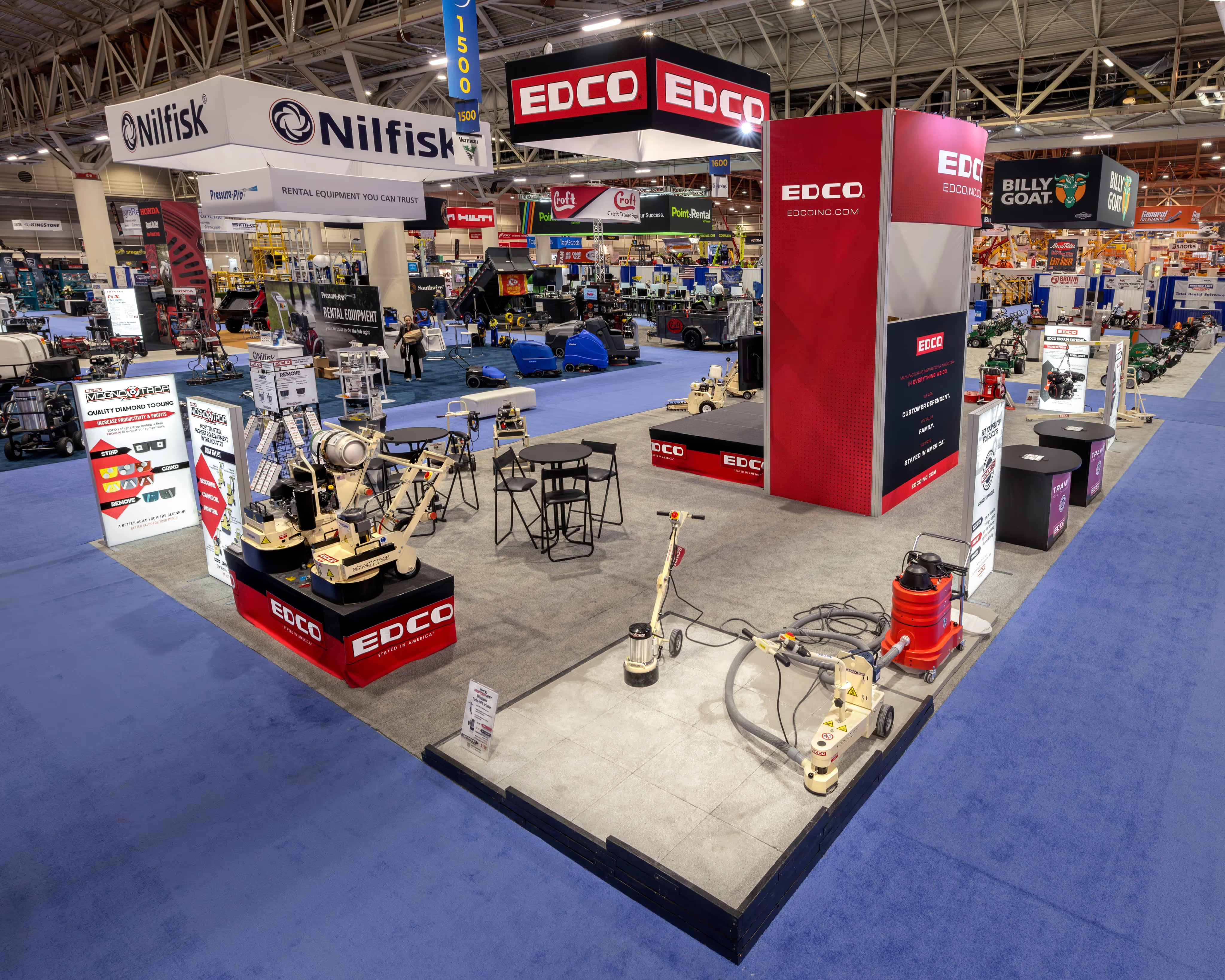
Open-concept booth brought machinery to life. Live demos and training increased engagement and positioned EDCO as industry leader.