
Business Success & Leadership
Pre-Show Outreach: The Competitive Advantage Nobody Talks About

Georgea
January 9, 2026
Most exhibitors begin thinking about results once the booth is already on the floor. By then, the strategy window has largely closed, and success depends on who happens to walk by.
The strongest teams shift that timeline forward.
They start preparing weeks before the event, long before crates are sealed, and freight is booked. That early work changes the entire dynamic of the show.
Why Waiting Until Show Week Puts You at a Disadvantage
When outreach starts late, everything depends on chance. Teams hope the right people notice the booth, stop long enough, and feel curious enough to engage.
That approach creates pressure on the show floor. Booth staff are forced into reactive conversations, trying to qualify interest in seconds while competing with noise, distractions, and crowded aisles.
At that point, even a well-designed booth has to work much harder than it should.
What Early Outreach Actually Changes
Teams that begin six to eight weeks ahead create familiarity before the event begins. They identify priority accounts, share a clear reason for connecting, and provide buyers with context for why the meeting matters.
By the time attendees arrive, decisions are already made. They are not browsing. They are continuing conversations.
This turns day one from "let's see who shows up" into scheduled discussions, warmer introductions, and more focused engagement.
Fewer Touchpoints, Better Results
Effective pre-show outreach does not rely on volume or spamming lists. It relies on relevance. A successful strategy includes:
- A short message that explains exactly what makes the conversation worth having.
- A preview of what attendees will see, learn, or experience at your booth.
- A reminder that feels intentional and personal, not automated.
Those touchpoints reduce friction and provide people with a solid reason to choose your booth over numerous alternatives.
The Real Competitive Edge
When the audience shows up prepared, your team stops chasing traffic. They spend their time deepening conversations, not starting them from scratch.
That advantage is easy to overlook because it happens before the show ever opens. However, it is often the reason why some booths feel calm, focused, and productive, while others feel rushed and reactive.
The difference is not luck.
It is timing.
And it starts well before the first badge is scanned.





Featured Projects
Trending Article
November 24, 2025


November 6, 2025
November 6, 2025
Brand & Design
Georgea
The Hidden Power of a Trade Show Display Case: Turning Products Into Show-Stoppers
Your hero product deserves more than a corner on your booth. Yet at most trade shows, it ends up blending into the background, buried under signage, giveaways, and distractions. A well-placed trade…

November 6, 2025
Trade Show & Event Promotion
Georgea
Why Choosing the Right Trade Show Marketing Company Can Change Your Event Results
Trade shows can be an incredible growth channel or a costly guessing game. Many teams invest thousands in booth design, travel, and staff, only to leave the show wondering what actually worked. The…




Featured Projects
Featured Projects



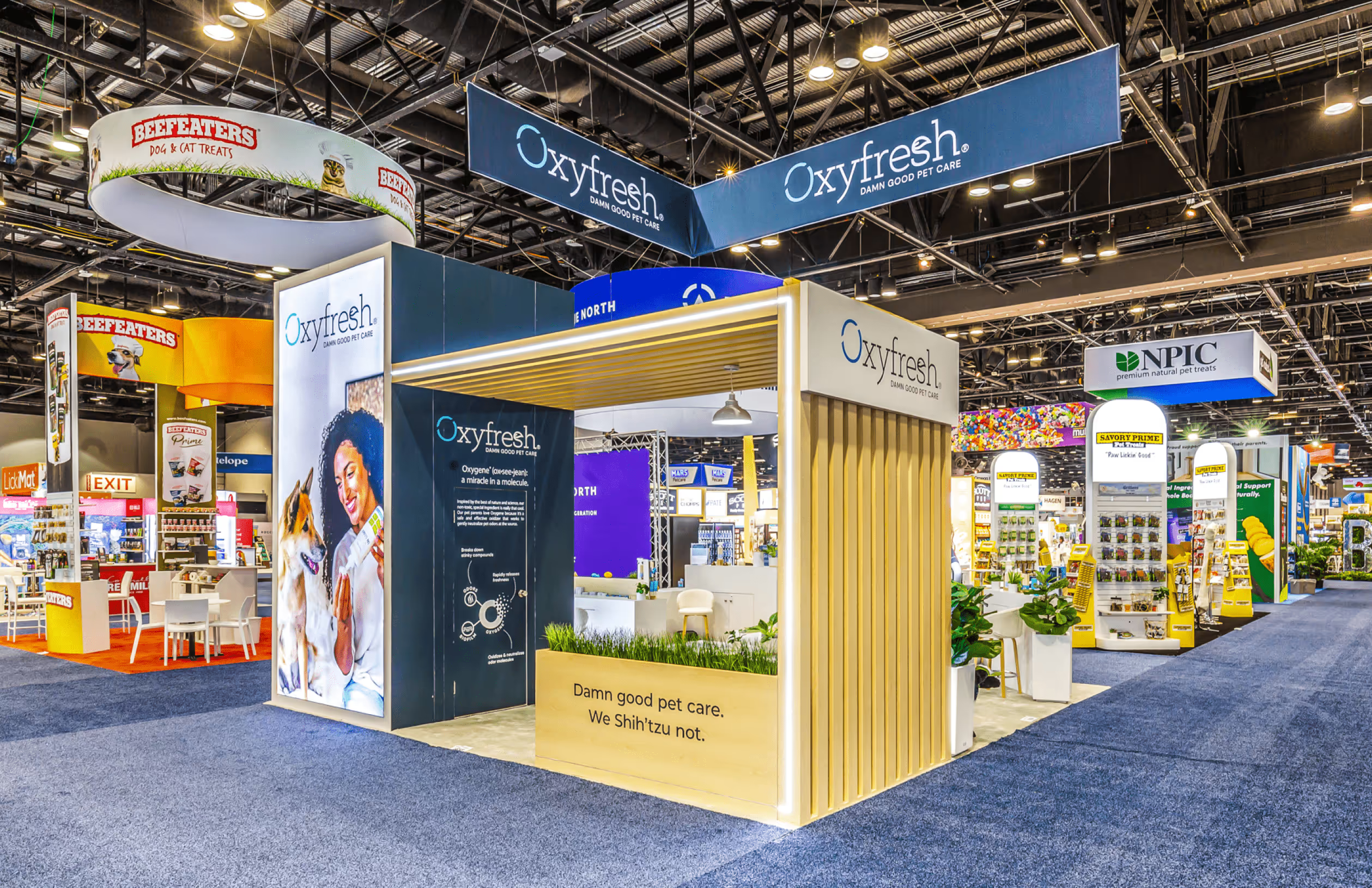
Custom exhibit design, ops & logistics saved over $26,500/year and elevated audience engagement at major shows.
3X - Custom booth design and layout strategy led to a 3X increase in lead capture at Natural Products Expo West.

Logistics, staging, and communication were streamlined. EXHIB-IT turned chaos into order: cost control, smoother shows, and peace of mind.
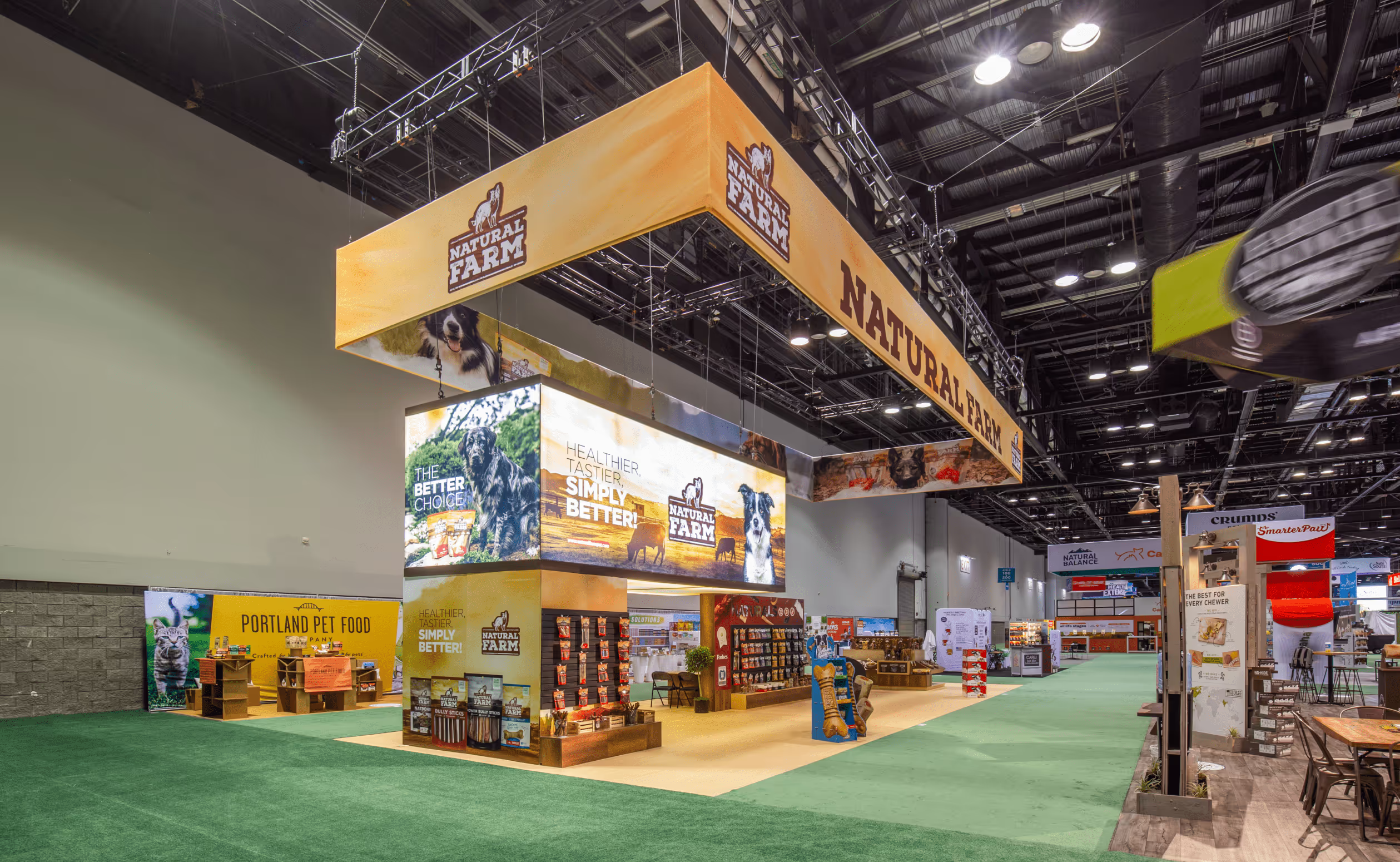
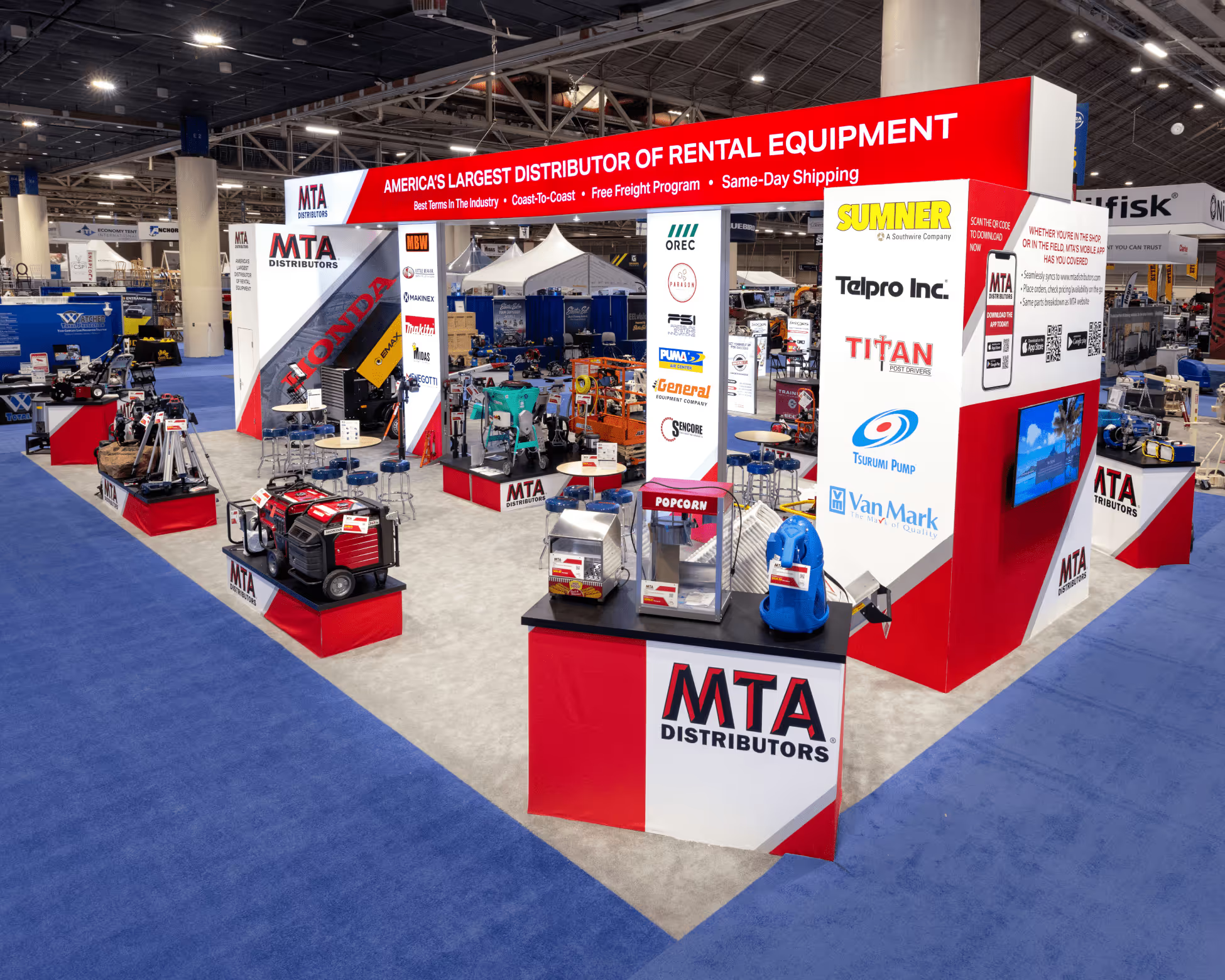
Setup time cut in half. A 30×50 custom booth reduced labor by 192 hours and boosted vendor visibility across the ARA floor.
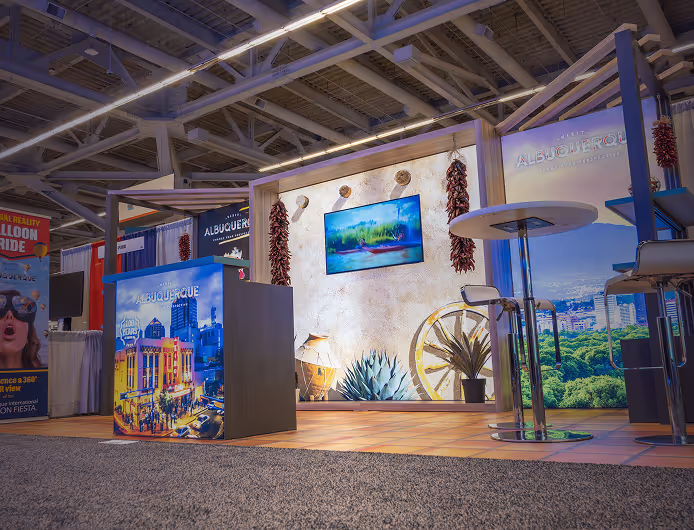
Immersive, culture-first design turned a 20×10 space into a showcase of New Mexico, with adobe textures, local art, and community pride.
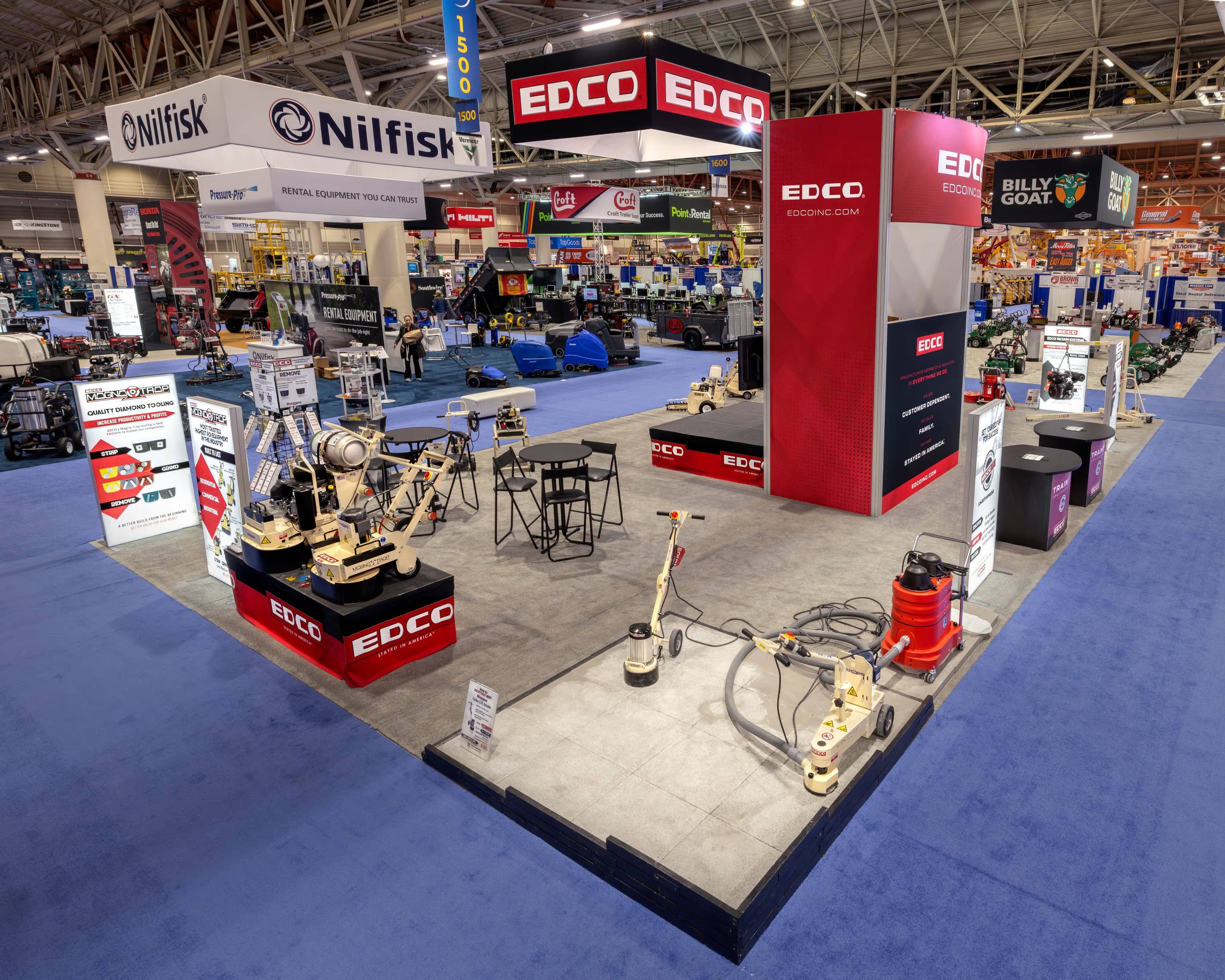
Open-concept booth brought machinery to life. Live demos and training increased engagement and positioned EDCO as industry leader.