
Trade Show Technology
Portable and Modular Displays Logistics: How to Simplify Storage, Shipping, and Setup

Georgea
July 4, 2025
Planning the visual side of your exhibit is usually the fun part. But once the event is on the calendar, the real question kicks in—how are you getting everything there, storing it, and setting it up without wasting time or budget?
Teams often lose the most energy on portable and modular display logistics. This is not because the display is hard to manage, but because the behind-the-scenes details are overlooked until they become urgent.
In this article, we go beyond basic packing tips. You'll find practical steps and clear advice on handling logistics for portable and modular displays, whether you're shipping across the city or across the country.
When Portability Meets Poor Planning
At a glance, portable and modular displays seem like the easiest part of your event setup. They're lightweight, flexible, and designed for efficiency. But none of that matters if your crates arrive late, your parts are mislabeled, or your team is left guessing where to start.
We've seen it happen: a well-designed booth stuck in freight holding while the event floor opens, or a missing instruction sheet that turns a 30-minute setup into a two-hour scramble.
The problem isn't in the display—it's in the logistics plan behind it.
Portable and modular systems are built to move easily but still need structure: clear packing, organized storage, scheduled transport, and a support team that knows what's coming and when. Without that, the very features that make your booth convenient can turn into unexpected stress.
Packing and Shipping: More Than Just Moving Boxes
Even the most durable display will not survive poor packing, and even the lightest setup will not matter if it's delayed in transit.
Protecting Your Display Starts With the Right Materials
Portable and modular systems often include tension fabric graphics, aluminum frames, monitor mounts, lighting, and accessories. Each piece needs to be packed with care—soft materials for graphic panels, rigid cases for structural parts, and labels that leave no room for confusion.
Planning your portable and modular display logistics starts with how each component is packed and protected. Inconsistent or rushed packing creates ripple effects that show up on-site—in delays, damage, or setup stress.
This isn't about overpacking. It's about knowing exactly how each item travels best. Scratched panels and bent connectors aren't just annoying—they're expensive to replace and hard to fix mid-show.
What EXHIB-IT Customers Usually Rely On
Clients who store or ship with EXHIB-IT get more than just a crate. Our logistics support includes:
- Durable, reusable shipping cases built for frequent use
- Photo inventory of what goes where—so nothing gets missed
- Organized packing plans for easier setup on-site
And if your booth travels to multiple locations throughout the year, we'll help create a repeatable packing and shipping workflow that saves time and avoids repacking headaches every time.
Storage Between Shows: The Overlooked Step That Saves Time and Budget
Storage tends to be an afterthought—until the show is over and the cases are packed. Without a solid plan, displays often end up in temporary spaces that aren't suited for long-term protection. That leads to damaged graphics, missing parts, and extra costs you didn't plan for.
Storage Tips That Support Your Portable and Modular Displays Logistics
Short-term or long-term, the goal is always the same: keep every part in good shape and easy to access. Here's what to consider:
- Choose a dry, temperature-stable space, especially for tension fabric or printed panels.
- Use labeled containers to separate hardware from graphics.
- Make a photo inventory before repacking—your future self will thank you.
Avoid This Common Mistake
Mixing graphics and frame parts in a single case might seem efficient, but it often leads to scratches, warping, or creased prints. Store them separately whenever possible.
If You Exhibit Often
If your team participates in multiple events a year, consider creating a standard storage checklist. Having a consistent post-show routine helps prevent damage and cuts prep time for your next event.
Setup and Dismantle: The Most Underestimated Phase
Packing and shipping are usually planned down to the hour. But setup? That often gets left to chance.
What Actually Slows Teams Down on Setup Day
It's not just tools or missing parts. It's the small things:
- Booth drawings don't match the final layout
- Instructions are outdated or missing entirely
- No one remembers how the monitor was mounted last time
By the time someone pulls out their phone to look up photos from the last event, the clock is ticking, and tension is rising.
How to Make Setup and Breakdown Easier (Without Hiring Help)
- Before your event, set up the display once in-house, even just partially.
- Label every major component clearly (especially in modular systems).
- Keep a copy of the setup instructions inside the case, not just in someone's inbox.
- Take photos of the completed booth and keep them with the inventory list.
Most of all, assume your team on-site will be tired, in a rush, and possibly new. The simpler you make it for them, the smoother the process will go.
Portable vs Modular: What That Means Logistically
Choosing between portable and modular displays isn't just about how they look—it affects every part of your logistics plan, from how you pack to who needs to help with setup.
| Logistics Factor | Portable Displays | Modular Displays |
|---|---|---|
| Shipping | Lightweight, easier to self-manage | Requires planning, often ships in crates |
| Setup | Usually tool-free, solo setup is possible | May need multiple people or rehearsals |
| Storage | Compact, fits in smaller spaces | Needs structure for larger components |
| Flexibility | Best for fixed layouts | Can scale and reconfigure for various shows |
Even if you already know what type of display fits your brand, it's worth revisiting the logistics behind it. Sometimes, what looks simpler upfront turns out to be more demanding over time or vice versa.
Questions to Pressure-Test Your Logistics Plan
Logistics often look fine on paper until you're on-site, watching the team scramble. Before that happens, take a moment to test your plan with a few simple but telling questions.
Ask Yourself This (and Answer Honestly)
1. Do I know where the display is right now? Not just "in storage"—but which storage, packed by whom, and with what inside.
2. What happens if delivery is delayed by 12 hours? Is there a buffer? A contact person? Or just crossed fingers?
3. Is my booth insured during transit and storage? If the answer is "maybe," that's something to fix before your next shipment.
4. Who will set it up, and have they done it before? Assuming "someone will figure it out" is a gamble, not a plan.
5. Can I reuse this setup without reprinting anything? If the answer is no, you might not be maximizing the value of a modular system.
These aren't worst-case scenarios. They're common hiccups that teams always run into—unless they're caught early.
What You Get from a Strong Portable and Modular Displays Logistics Workflow
When logistics run smoothly, everything else falls into place. You don't waste time on missing parts, late crates, or confused staff. Instead, your team shows up ready, your booth is where it needs to be, and the event starts on your terms.
Planning That Goes Beyond the Shipping Label
A logistics plan should start long before the crate is sealed. It should include setup documentation, venue access information, and timelines that match reality, not just best-case scenarios.
Transport That's Matched to Your Display
Whether it's one portable case or a multi-crate modular system, the way your display travels matters. Weight distribution, protection, and labeling all affect how quickly and safely it gets where it's going.
Storage That Actually Preserves the Investment
Storing a display isn't just "putting it somewhere." It's about maintaining graphic quality, keeping hardware organized, and ensuring everything is ready for the next show, not just the present.
Setup and Teardown That Don't Drain Your Team
The end of a show isn't the end of the job. With good logistics, teardown is just another step—efficient, documented, and frustration-free.
Pro Tip
Whenever possible, document both setup and teardown with the same person. This creates consistency and avoids small but costly errors at the next event.
Your Pre-Show Logistics Checklist
Even the most organized team can lose time (and patience) if key details slip through the cracks. A simple logistics checklist can prevent most of the avoidable stress on show day.
1. Confirm booth location and delivery windows Venue access times, loading docks, and restrictions vary. Lock in the details before scheduling any shipment.
2. Inspect your inventory Open the cases, check graphics for wear, and make sure all parts are accounted for. Don't assume everything is as you left it.
3. Print updated setup guides and diagrams Whether you're handling setup or someone else is, clear instructions reduce errors and save time.
4. Schedule shipping with enough margin for delays Add a buffer. Weather, traffic, and warehouse congestion are always possible.
5. Share your packing list with whoever's receiving the shipment That includes contact names, phone numbers, and any special handling notes.
A Good Display Needs a Solid Plan Behind It
You can invest in a well-designed booth, but none of that matters if it is late or incomplete.
Portable and modular displays are built for flexibility. But to get the most out of them, logistics has to be part of the strategy from the start. That includes how you pack, how you store, who sets up, and what happens after the show.
The more consistent your portable and modular displays logistics become, the more your team can focus on what really counts: showing up prepared and making an impact.





Featured Projects
Trending Article



November 24, 2025



November 6, 2025

November 6, 2025
Brand & Design
Georgea
The Hidden Power of a Trade Show Display Case: Turning Products Into Show-Stoppers
Your hero product deserves more than a corner on your booth. Yet at most trade shows, it ends up blending into the background, buried under signage, giveaways, and distractions. A well-placed trade…




Featured Projects
Featured Projects



Custom exhibit design, ops & logistics saved over $26,500/year and elevated audience engagement at major shows.
3X - Custom booth design and layout strategy led to a 3X increase in lead capture at Natural Products Expo West.
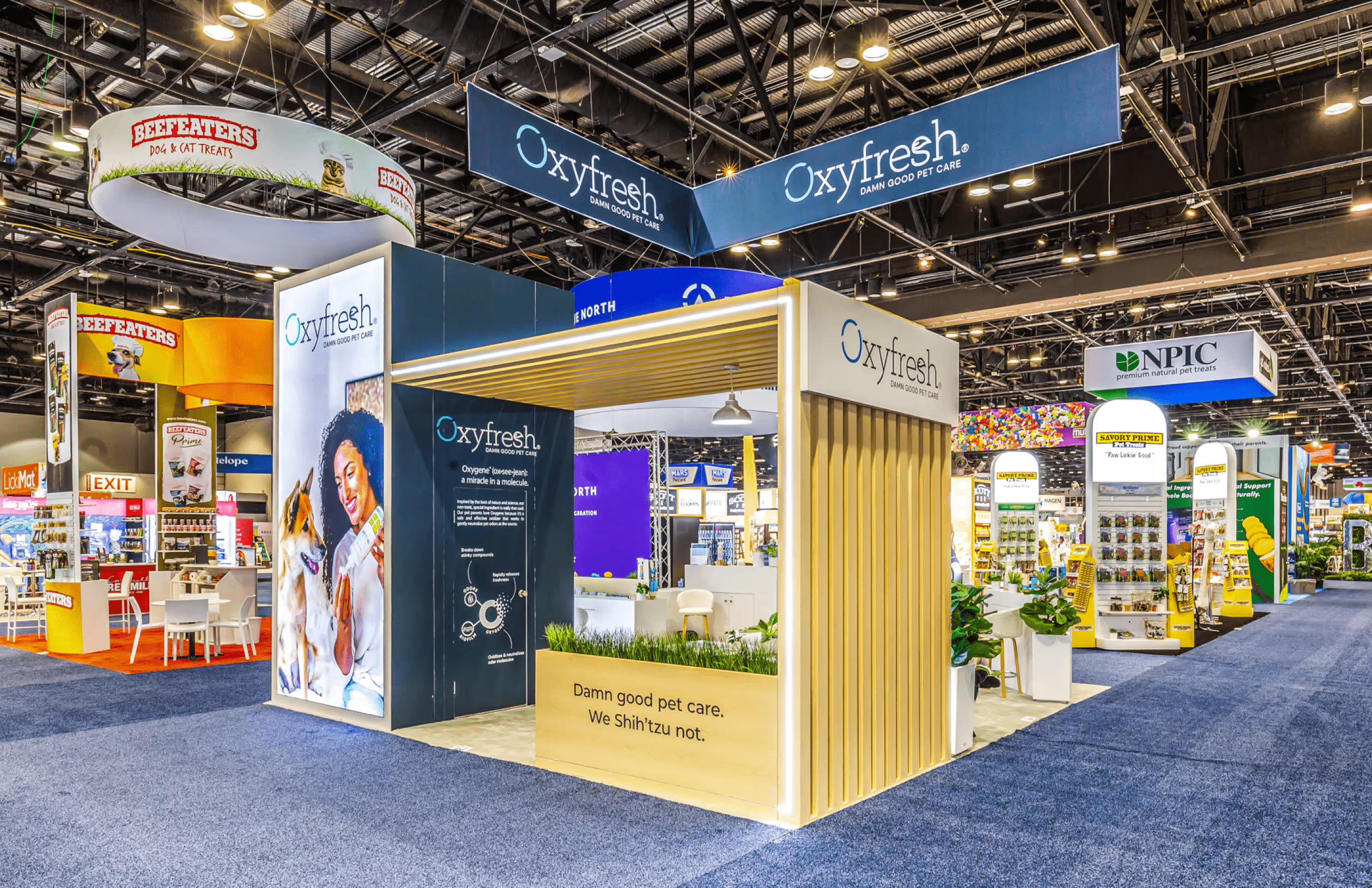

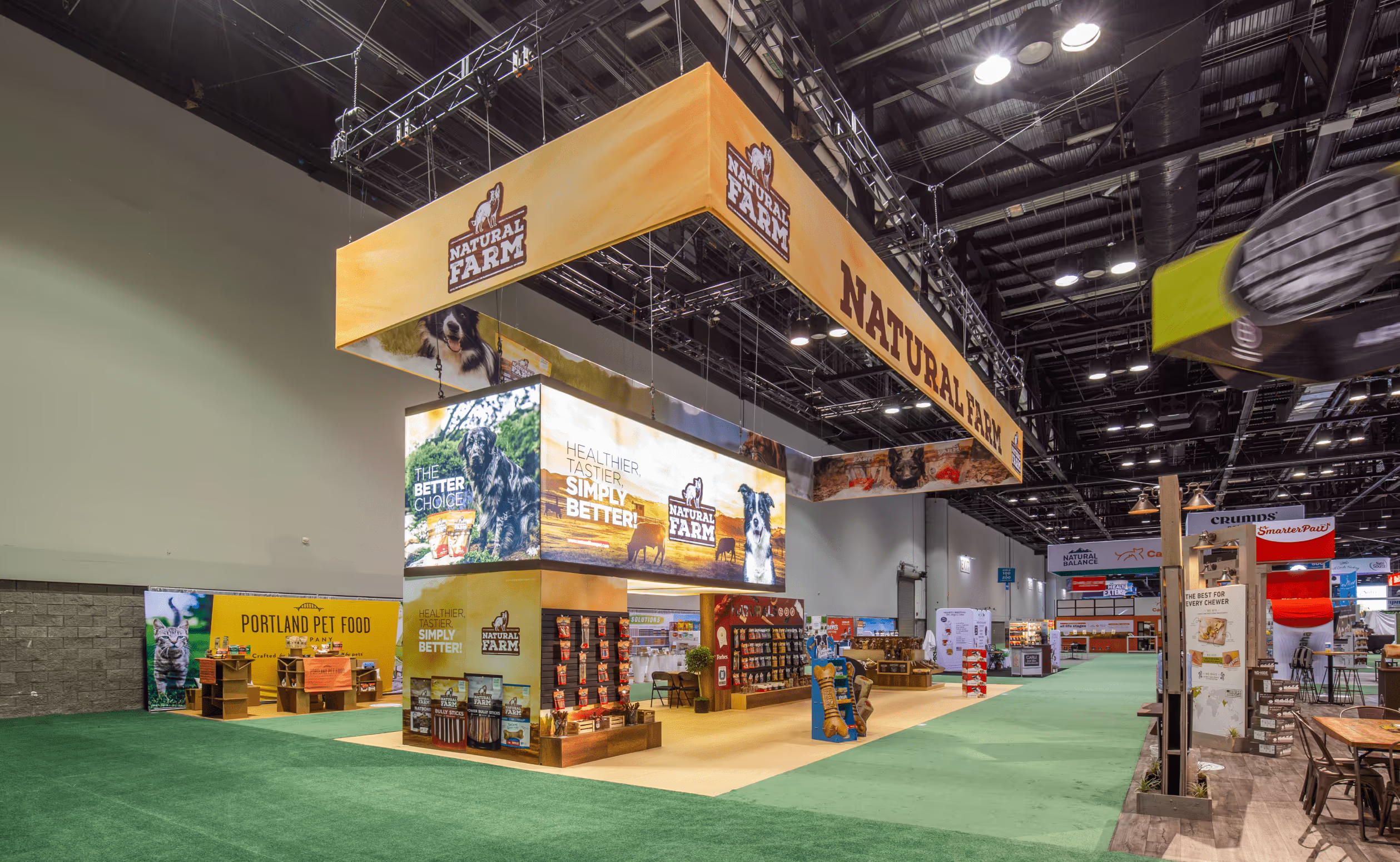

Logistics, staging, and communication were streamlined. EXHIB-IT turned chaos into order: cost control, smoother shows, and peace of mind.
Setup time cut in half. A 30×50 custom booth reduced labor by 192 hours and boosted vendor visibility across the ARA floor.
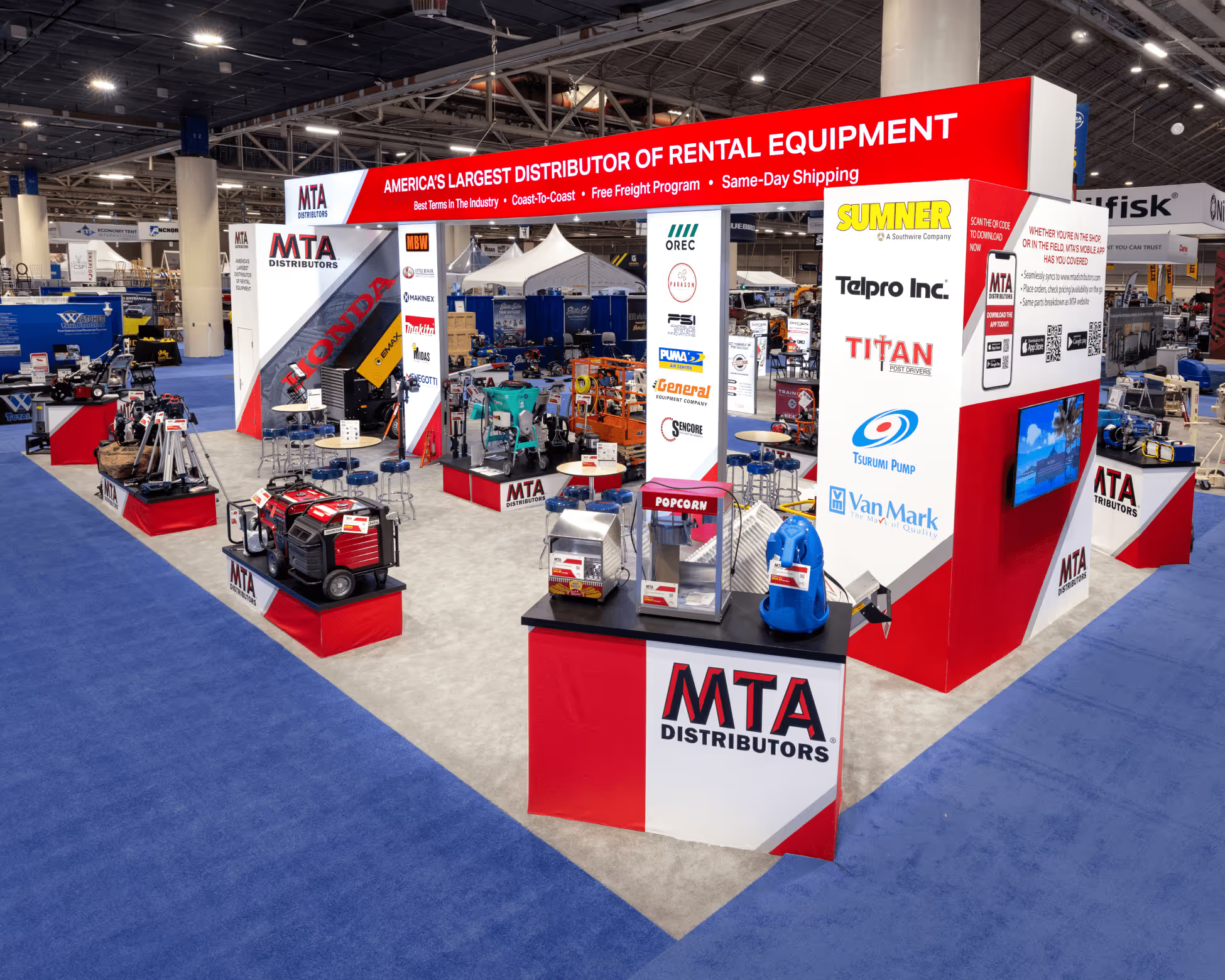
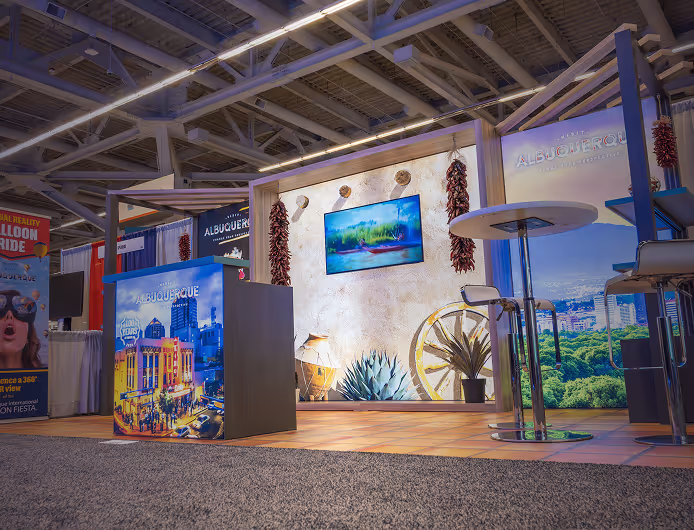

Immersive, culture-first design turned a 20×10 space into a showcase of New Mexico, with adobe textures, local art, and community pride.
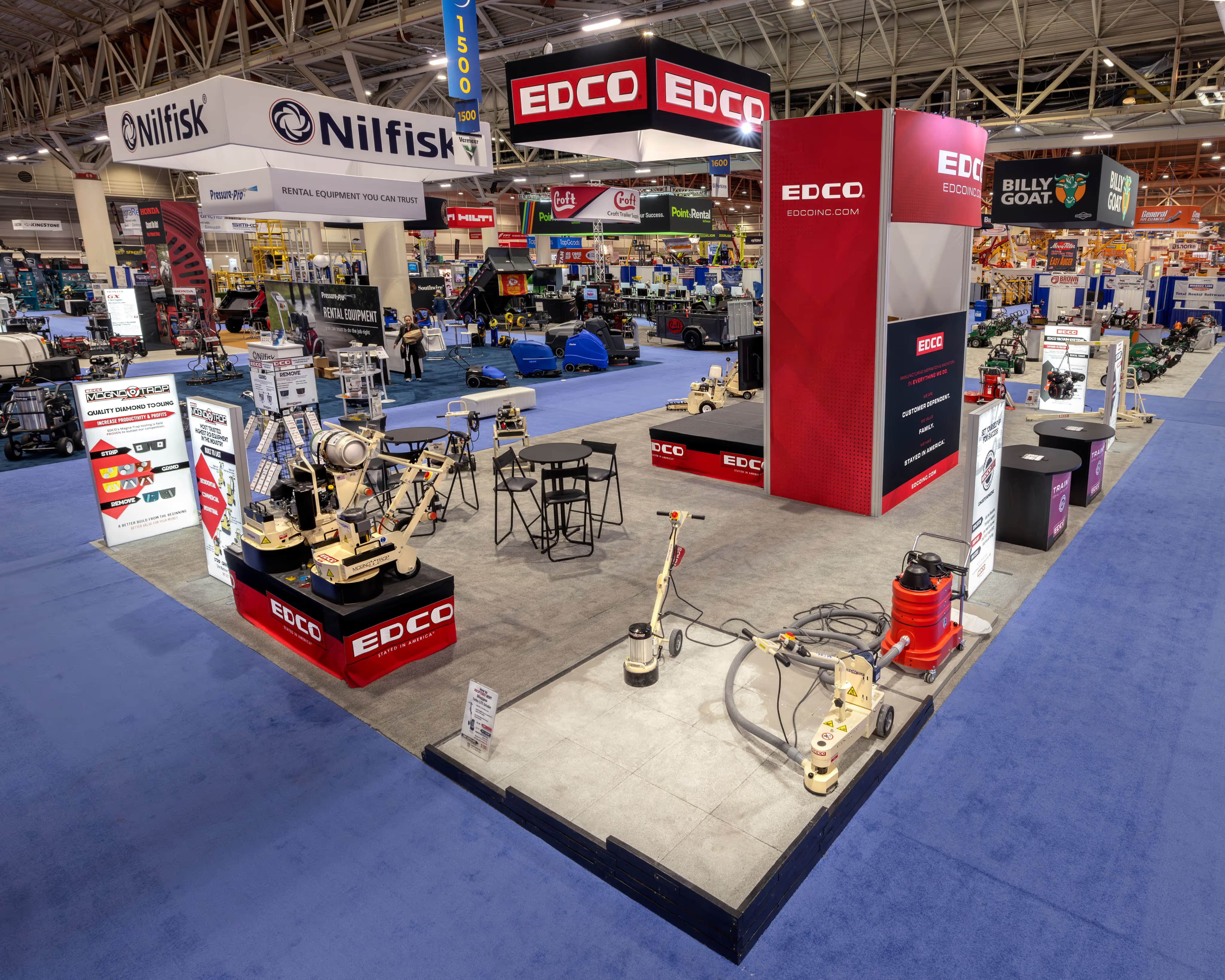
Open-concept booth brought machinery to life. Live demos and training increased engagement and positioned EDCO as industry leader.