
News & Events
Is It Worth Sponsoring or Hosting Your Events?

Georgea
November 8, 2021
Event strategy is an incredibly important tool for every business's marketing team, and one of the most complex problems these teams must solve is deciding whether to host or sponsor an event. Both tactics have their own benefits and their own downsides.
However, research has found that "40% of brands are planning on hosting events in the coming years," and this makes sense: hosting allows a business to have more control over the entire experience which leads to a whole host of boons for a company and its goals. But does this trend mean that sponsoring events should go out the window? We're not so sure.
Why Should I Sponsor an Event?
To sponsor an event means that your business (or you, the individual) is paying other organizations or companies to take part in an event. Some examples of sponsored events include:
- A booth at a trade show
- Providing an experience or service at an event
- A speaking event
- A VIP dinner
Sponsoring has a lot of benefits, such as brand exposure, less responsibility for event planning, less fiscal responsibility for staff and other logistics, but deciding if it's the right step for your business should come down to the attendee makeup for the event. If the makeup is in your favor, you should consider hosting the event since sponsoring leads to little control over the entire experience, and you'll have to work harder for a return on investment.
Some other questions to ask yourself when trying to decide if you should sponsor an event are:
- Is the event fun or important? Putting your name to something that sparks joy could cause anyone who attended the event to associate your brand with good feelings.
- Can you add some fun? Providing food or drink for an event has the same effect as above.
- Can you be there in person? Putting a face to a brand is powerful, and directly speaking to potential customers is more effective than just seeing a logo.
Your answers to these questions are directly related to how effective your sponsorship of an event would be for your brand's goals.
What Do I Need to Know About Hosting an Event?
Events hosted by you, or your company allow you direct control over the entire experience, letting you better achieve your goals. However, hosting also means being responsible. You'll oversee:
- Locating a venue
- Garnering attendees
- Booking speakers and other talent
- Supplying food and drinks
- Making swag bags
And more, depending on your event. This can seem like a lot, but hosting means that the entire event will be tailored to help meet your exact goals, meaning that every aspect of the event, from the theme to the messaging, to the audience will be aimed at your brand.
However, it's important to consider the added time and manpower hosting will require. Other questions to consider when hosting are:
- Where will you host the event?
- What will the event be about?
- How will you promote the event?
All these questions are directly related to how much time, money, and effort will have to go into making your event happen.
Sponsoring is Good, But Hosting is Better
As we've mentioned, more and more businesses are making the shift towards hosting their own events—it just makes more sense: more control equals better results, better exposure, and better business. But don't completely write off sponsored events, they can be incredibly valuable if strategized correctly. Overall, when deciding between hosting or sponsoring, you should consider your overall goals, your audience, and your own business—everyone is different, and there's no one-size-fits all answer to hosting vs. sponsoring an event.





Featured Projects
Trending Article



November 24, 2025



November 6, 2025

November 6, 2025
Brand & Design
Georgea
The Hidden Power of a Trade Show Display Case: Turning Products Into Show-Stoppers
Your hero product deserves more than a corner on your booth. Yet at most trade shows, it ends up blending into the background, buried under signage, giveaways, and distractions. A well-placed trade…




Featured Projects
Featured Projects


Custom exhibit design, ops & logistics saved over $26,500/year and elevated audience engagement at major shows.
3X - Custom booth design and layout strategy led to a 3X increase in lead capture at Natural Products Expo West.
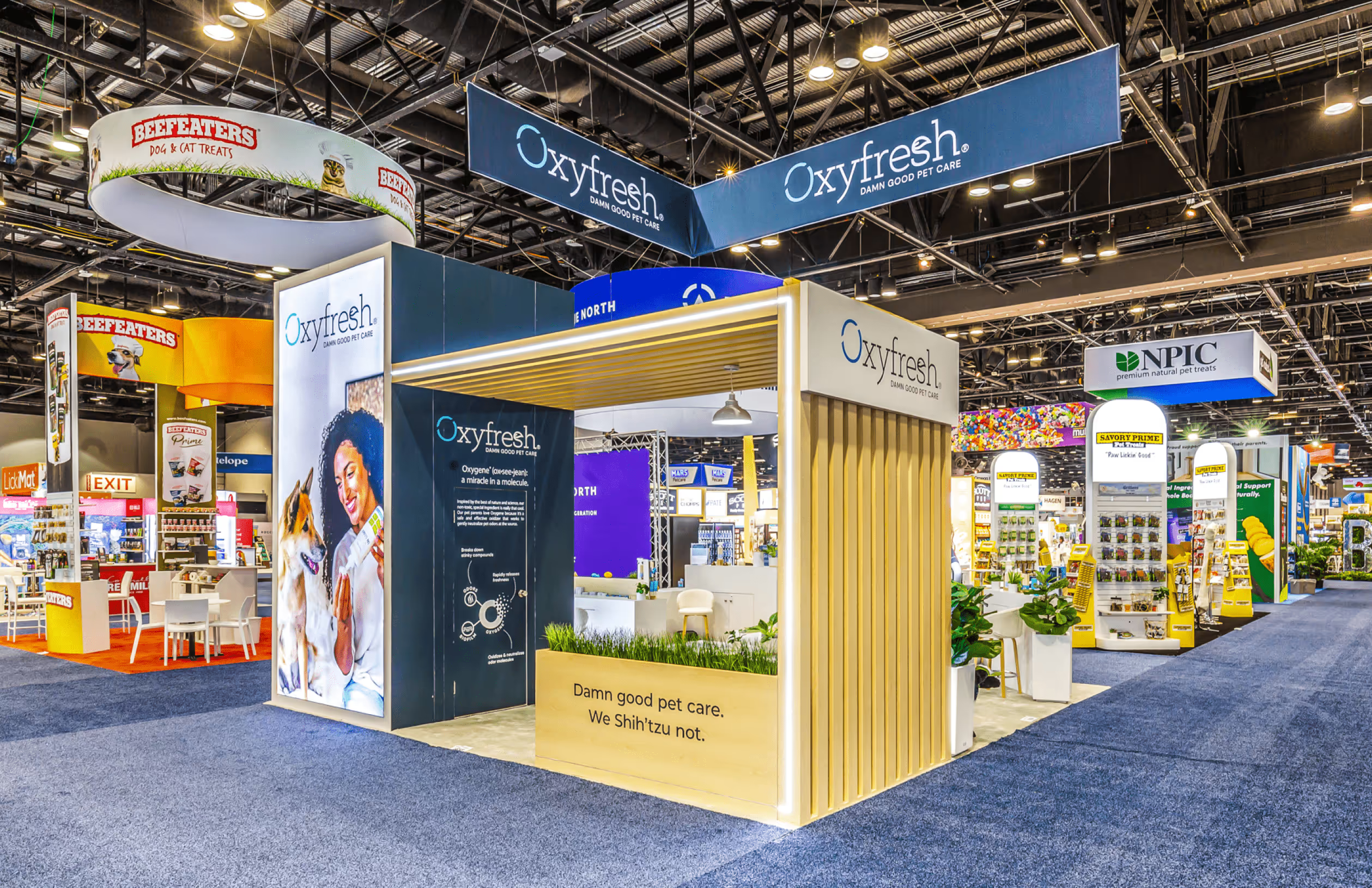
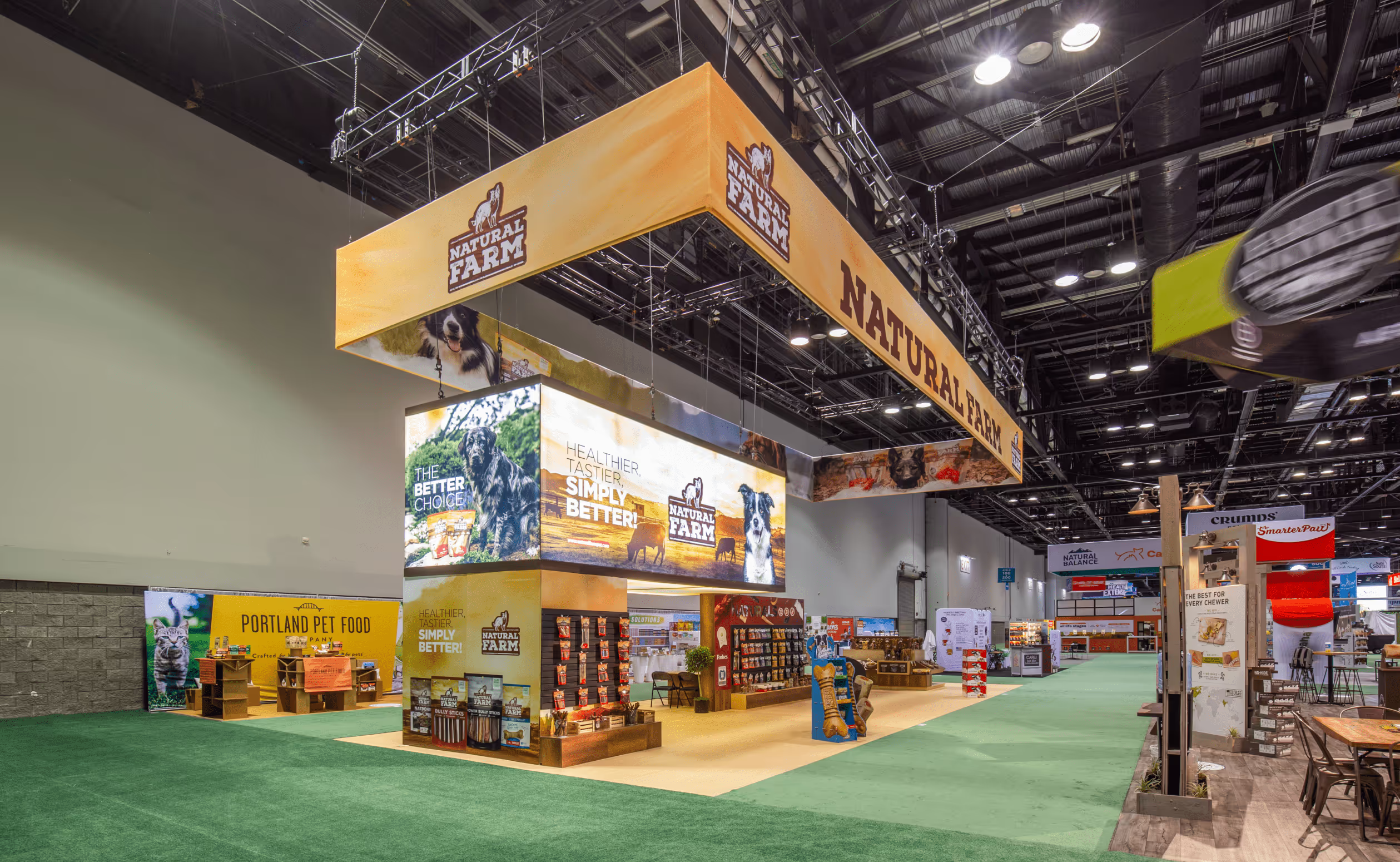

Logistics, staging, and communication were streamlined. EXHIB-IT turned chaos into order: cost control, smoother shows, and peace of mind.
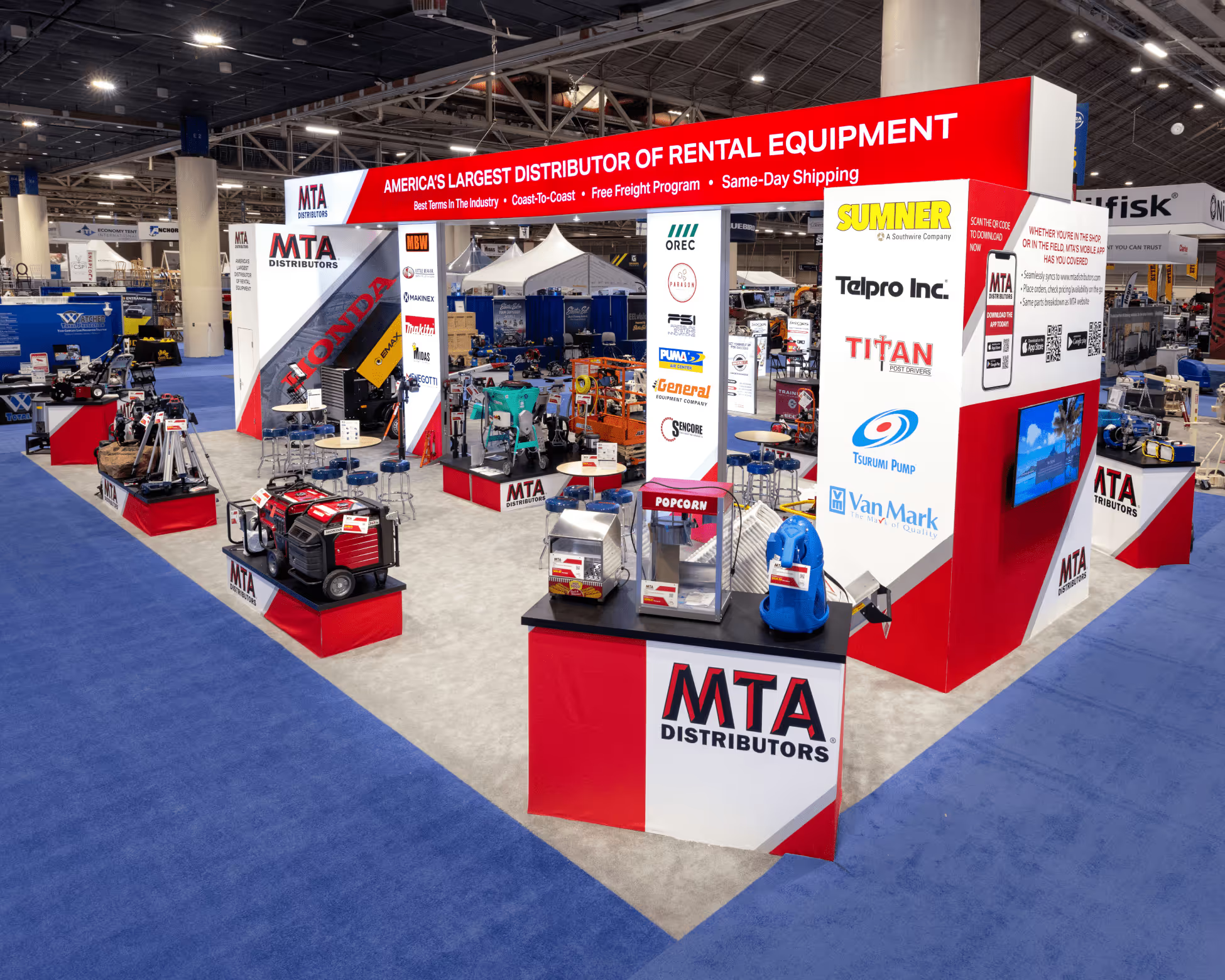
Setup time cut in half. A 30×50 custom booth reduced labor by 192 hours and boosted vendor visibility across the ARA floor.
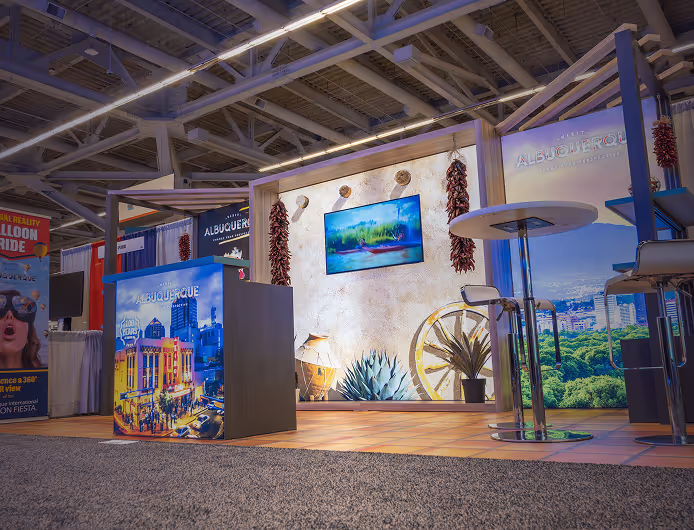
Immersive, culture-first design turned a 20×10 space into a showcase of New Mexico, with adobe textures, local art, and community pride.
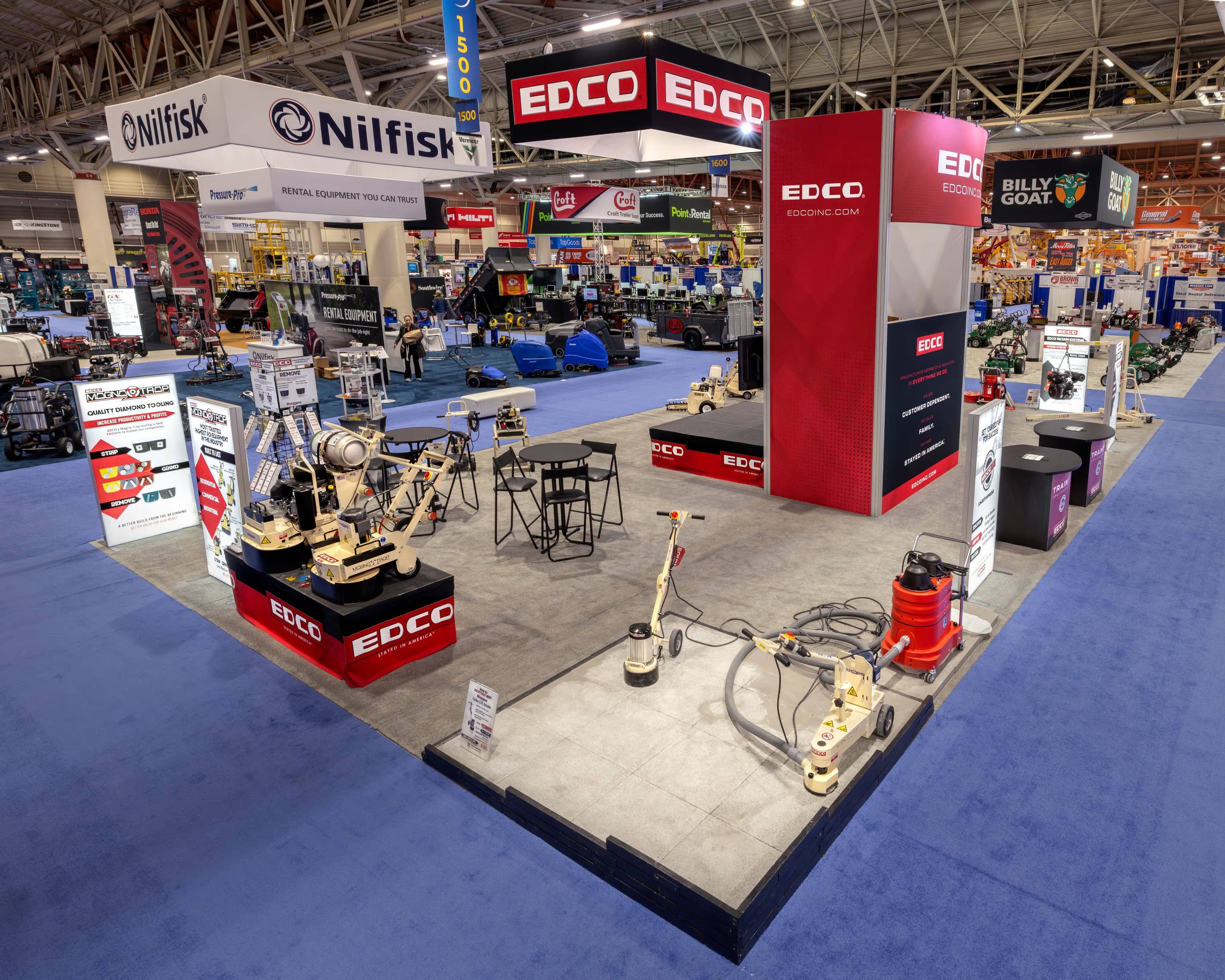
Open-concept booth brought machinery to life. Live demos and training increased engagement and positioned EDCO as industry leader.