
News & Events
How to Budget For Your Exhibit

Georgea
August 31, 2021
In today's climate, it's more important than ever to optimize your exhibit budget. Experts everywhere are reporting that the novel COVID-19 virus drastically decreased marketing event planners' budgets. This, as well as the shifting landscape of tradeshows post-2020, has made an efficient exhibit budget invaluable.
How Big Should I Make My Budget
The idea behind planning an exhibit budget is to strategically allocate your company's money in order to get the best return on their investment. It follows that to plan the budget, an event planner first has to define their company's goals for the upcoming events. To do so you should ask yourself the following questions:
- What are your company's objectives? How many leads or orders are you trying to elicit?
- How big of a space does your exhibit need to achieve your goals?
- What kind of show will best get you to your goals?
- How big of a staff will you need?
- What sort of marketing promotions will you use?
By understanding your end goals you can better allot the correct amount of money for your budgetand then be strategic about how to invest your cash. Let's look at how you can break down the costs.
Estimating Your Budget
To start breaking down your budget, you first need to decide how big a space you'll need and how much you're going to spend on it. If you're not sure about how much the space will cost, you can estimate it with an average square footage cost of $138-$154. After you've found this number, multiply it by 3. So if your space cost $4,000, your total budget for the event would be $12,000. Again, this is a ballpark number for better record keeping. Next, exhibit budgets are generally broken up into four expense categories:
- Exhibit-related costs
- Service costs
- Promotional costs
- Staffing costs
Let's take a deeper look into the budgetary percentage breakdown of these categories:
Exhibit Design
The way your exhibit and exhibit graphics look are some of the biggest elements that will bring in your audience. You should work to keep it simple, yet alluring to your target audience. Before buying or ordering anything, the best practice is to price out each feature you want and then prioritize them in order of importance. This way you can get rid of more expensive features that are unnecessary. It's also a good idea to think about how long you'll want to use the displayif it's only once or twice, it's not necessary to spend a lot of money on it. If you want it to last several years, then you should have about a larger monetary investment. Typically exhibit design is 10% of your budget.
Staff
Outside of your booth design, your staff members will be crucial to bringing in your audience. You'll have to decide how many you want to bring along and then arrange for their:
- Training
- Transportation
- Hotels
- Meals
- Miscellaneous expenses
Staffing your exhibit should take about 20-30% of your budgetand it's well worth it. Having excellent people to represent your brand (and keeping them happy) will bring you closer to your goals.
Transportation
Transportation of your exhibit goods generally takes up about 10% of your budget. However, it's a little tricky to predict because transportation can vary widely depending on where your event isand how early you reserve our transportation. It can also be dependent on the size and weight of your booth, and how long it takes to load and unload.
Marketing
Promotional marketing for your exhibit (how to let people know where you'll be) should take up about 5% of your budget and can include:
- Mail Campaigns
- Sponsorships
- Contests & Games
- Technology for demos
- Giveaways
- Social Media Marketing
These activities should occur before, during, and after an event.
Miscellaneous Costs
Miscellaneous costs are usually the ones that are unexpected and hard to predictbut, of course, you have to plan for them anyways. This should take up about 5% of your budget in case you run into any fees related to
- Repairs
- Internet
- Electricity
- Lead gathering
While these costs may seem unlikely to occur, don't underestimate the power of planning ahead.
Key Takeaways
In reality, who knows what will need to be budgeted for in the coming years of exhibit showsnext year you may have to allot more money into digital promotional materials, and the next you may half your staffing budget because the event is virtual.
However, budgeting is the best way to ensure that no matter the landscape of your trade show, your company's goals are being met. By centering your goals and revolving the rest of your budget around them, you're guaranteeing the best return on investment possible.





Featured Projects
Trending Article



November 24, 2025



November 6, 2025

November 6, 2025
Brand & Design
Georgea
The Hidden Power of a Trade Show Display Case: Turning Products Into Show-Stoppers
Your hero product deserves more than a corner on your booth. Yet at most trade shows, it ends up blending into the background, buried under signage, giveaways, and distractions. A well-placed trade…




Featured Projects
Featured Projects



Custom exhibit design, ops & logistics saved over $26,500/year and elevated audience engagement at major shows.
3X - Custom booth design and layout strategy led to a 3X increase in lead capture at Natural Products Expo West.
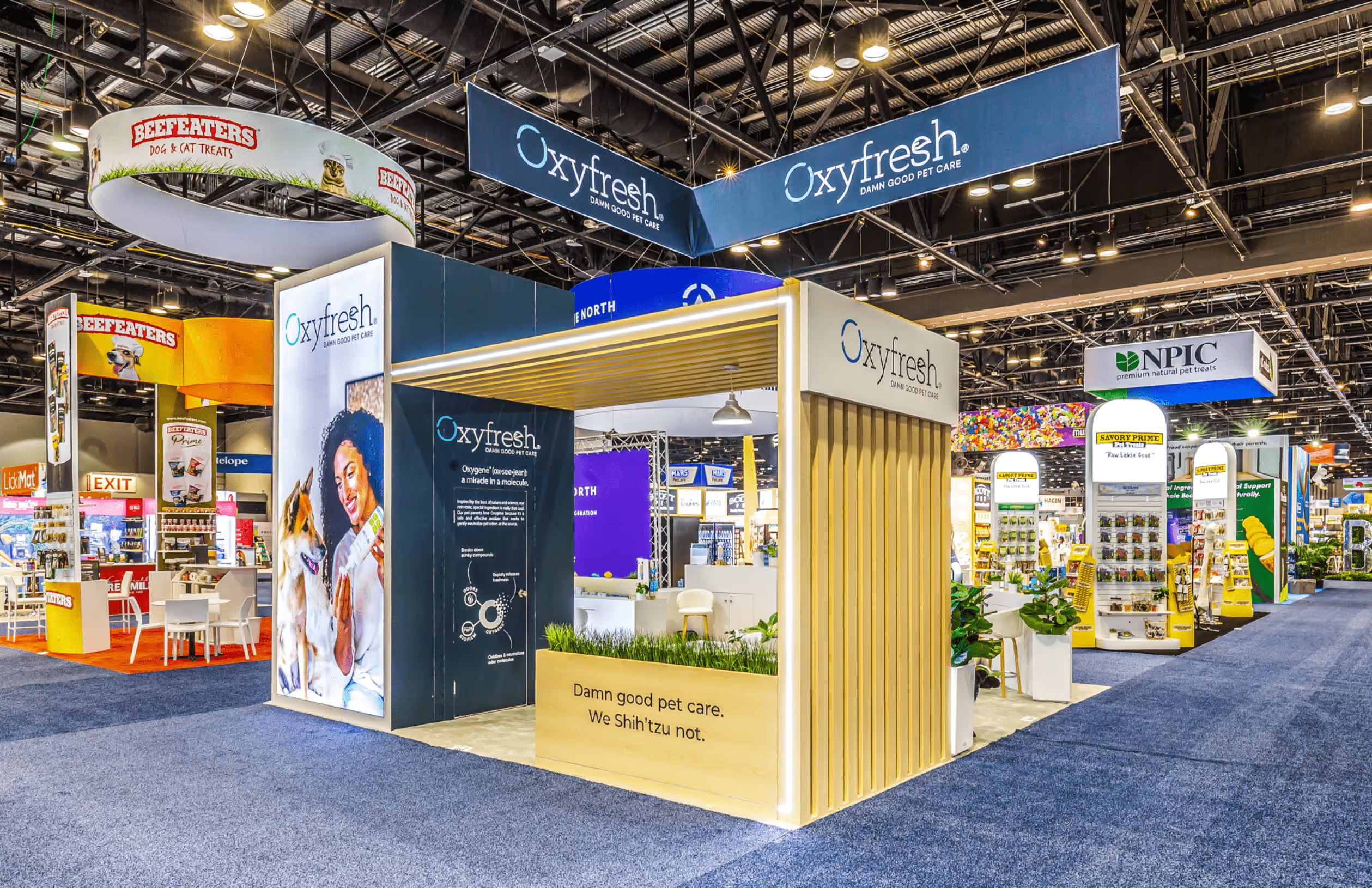

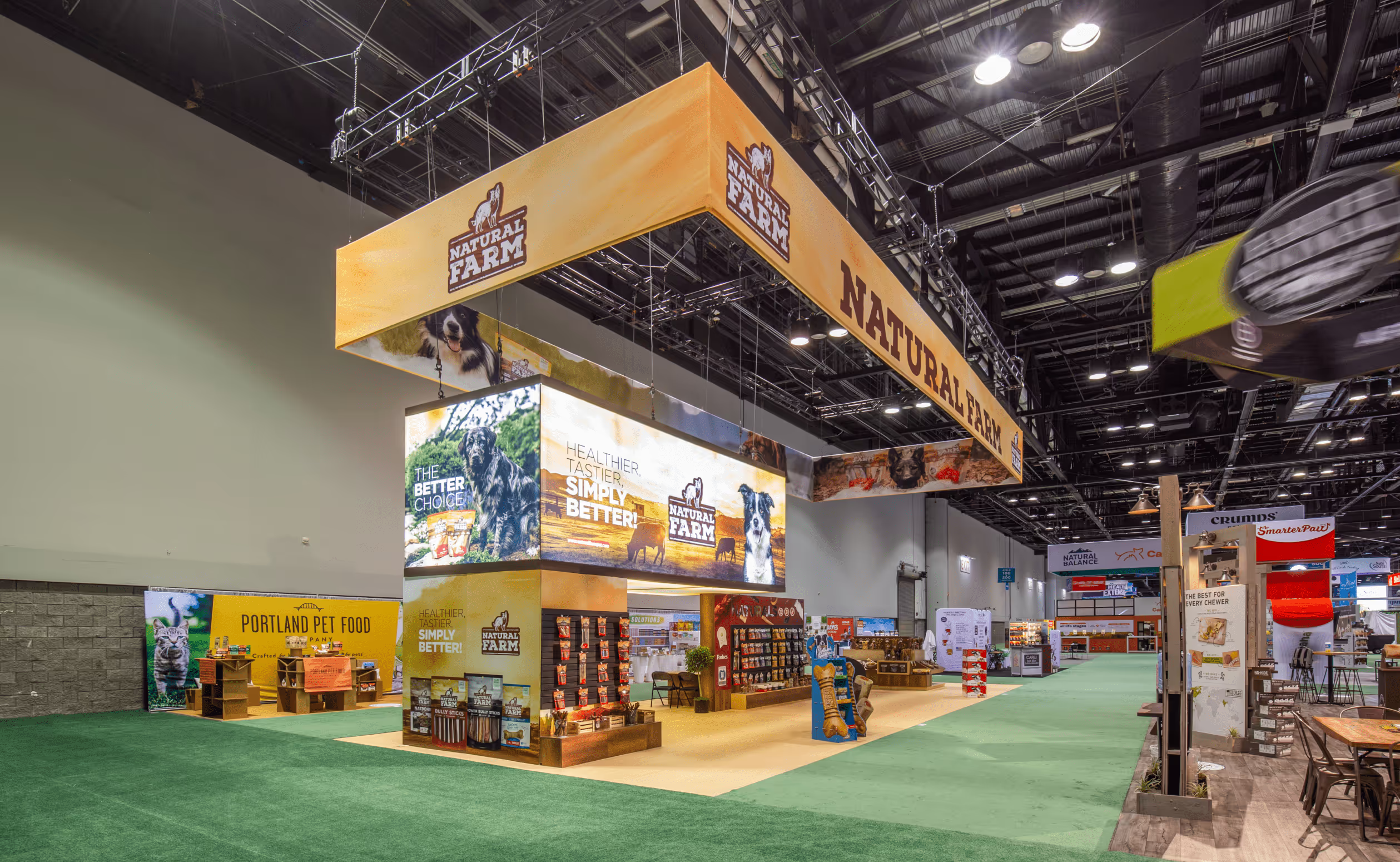

Logistics, staging, and communication were streamlined. EXHIB-IT turned chaos into order: cost control, smoother shows, and peace of mind.
Setup time cut in half. A 30×50 custom booth reduced labor by 192 hours and boosted vendor visibility across the ARA floor.
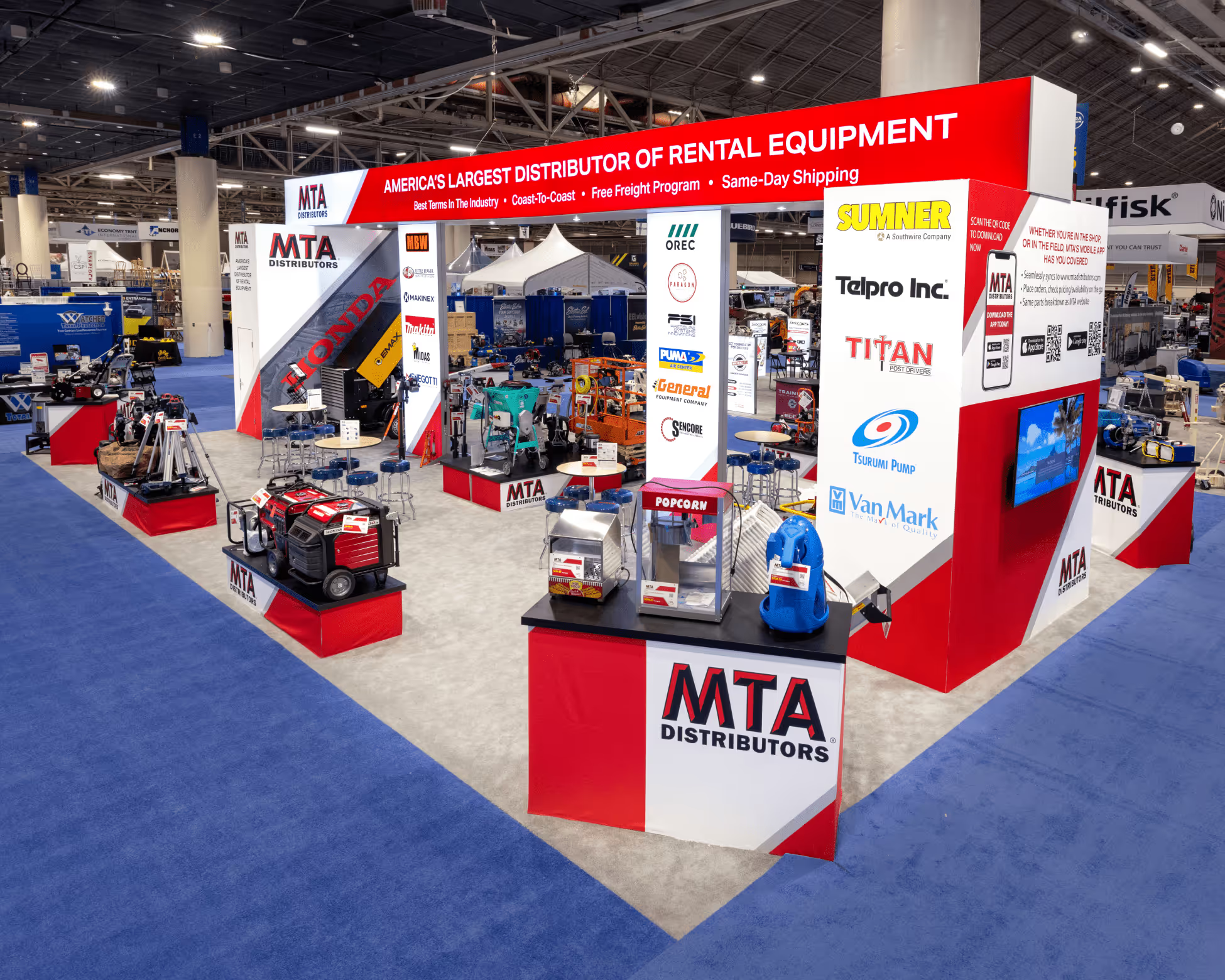
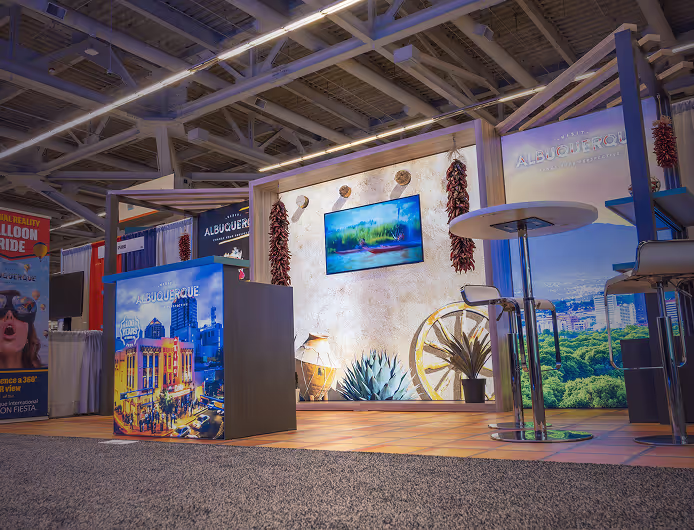
Immersive, culture-first design turned a 20×10 space into a showcase of New Mexico, with adobe textures, local art, and community pride.
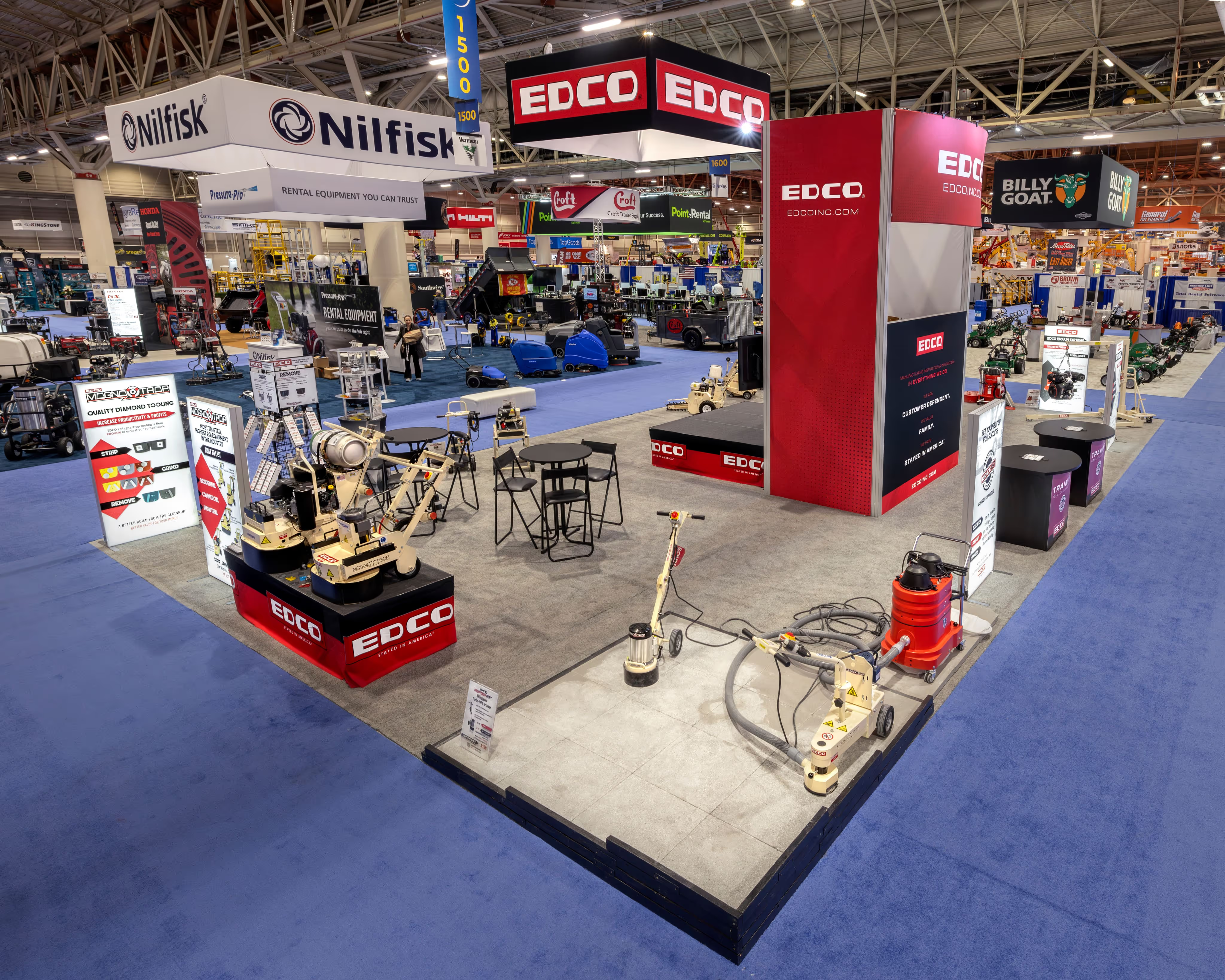
Open-concept booth brought machinery to life. Live demos and training increased engagement and positioned EDCO as industry leader.