
Business Success & Leadership
How Executive Leadership in Exhibitions Drives Results

Georgea
May 20, 2025
In the high-stakes environment of trade shows, every detail matters, from booth layout and messaging to staff training and lead follow-up. But one factor often overlooked in the planning process is also one of the most powerful: executive leadership.
When company leaders are directly involved in trade show strategy and on-site execution, the impact is immediate and measurable. Executive presence brings clarity to goals, unifies cross-functional teams, and elevates the perception of the brand among high-value attendees.
This article explores why executive leadership in exhibitions isn't just a nice-to-have, but a strategic advantage. We'll break down how C-level involvement transforms events into high-performance opportunities and offer practical ways executives can lead effectively without taking over the floor.
Why Executive Presence Matters at Trade Shows
Trade shows are no longer just marketing activities. They're strategic platforms for business development, reputation building, and partnership formation. When executive leadership shows up with purpose, it sends a clear message: this event matters.
Not Just a Sales Function: Elevating the Role of the C-Suite
Exhibitions are often viewed as a job for sales and marketing teams. But limiting leadership involvement to post-event reports leaves opportunity on the table. When C-level executives attend or engage in the process, they bring weight to conversations that can't be replicated.
- They signal commitment to clients, prospects, and partners.
- They increase internal alignment by reinforcing the company's goals and vision in person.
- They drive strategic value, positioning the brand as a serious player—not just another booth on the floor.
Executive Involvement = Clearer Goals + Faster Decisions
Trade shows are fast-paced environments where priorities shift by the hour. Without leadership present, key decisions can get delayed or diluted. On the other hand, when executives are involved:
- Event KPIs tend to align better with company objectives.
- Budgets and resources can be adjusted in real time.
- Sales and marketing teams get real-time feedback and direction, improving their impact on the ground.
The result? More confident execution, more meaningful conversations, and more strategic outcomes.
From Vision to Presence: What Effective Executive Leadership in Exhibitions Looks Like on the Show Floor
Executive involvement doesn't mean standing at the booth handing out brochures. It's about providing direction, showing strategic presence, and supporting the team in ways that directly impact outcomes. When done well, it reinforces credibility both internally and externally.
Here are some practical examples of what effective leadership looks like during a live event:
- Leading pre-show briefings — Executives align teams around priorities whether the focus is lead generation, strategic partnerships, or product launches.
- Hosting VIP meetings — C-level clients and partners often expect to interact with decision-makers. Having an executive available for those conversations enhances trust and speeds up deal cycles.
- Being visible during high-stakes moments — Whether it's a press interview, live demo, or investor visit, an executive presence adds weight and clarity to the message being shared.
- Supporting the team without overshadowing — Walking the floor, encouraging the staff, and checking in on execution—without micromanaging—boosts morale and shows commitment.
- Joining strategic conversations — Some leads can't be moved forward without senior input. When leadership is present, those opportunities aren't lost in the follow-up cycle.
Executive leadership at trade shows isn't about showmanship, but influence. A well-timed conversation, a brief appearance in a key meeting, or even a supportive gesture to staff can amplify results across the board.
The Business Case: How Executive Leadership in Exhibitions Improves ROI
When senior leaders are directly involved in trade shows, the return on investment tends to increase—not just through higher lead quality, but through better planning, execution, and follow-up. Leadership presence turns exhibitions into focused, results-driven initiatives.
Clarity Before the Show Leads to Better Results On-Site
Leadership sets the tone early. When executives define what success looks like—whether it's partner conversations, investor interest, or product visibility—teams align their work accordingly. The booth becomes a tool for a business objective, not just a marketing showcase.
Real-Time Decisions That Move Deals Forward
Trade shows are full of time-sensitive decisions. Senior leaders who are on-site can accelerate approvals, adjust priorities, or personally handle key conversations. That responsiveness often shortens the path from first contact to signed agreement.
Executive Presence Enhances External Perception
Buyers and partners view brands differently when leadership is present. It signals commitment, seriousness, and trustworthiness. Even a short appearance in a meeting can elevate a prospect's confidence in your company.
Post-Show Impact Is Sharper and Faster
Executives who attend the event return with direct insight—what messaging worked, which prospects were most engaged, and where the team faced friction. That firsthand understanding allows them to prioritize follow-ups and allocate resources more effectively after the show ends.
Common Mistakes When Leadership Stays on the Sidelines
When executives view trade shows as purely operational or delegate their involvement entirely to junior teams, the result is often a missed opportunity. Below are a few common assumptions that lead to poor outcomes—and why they deserve a second look.
"Isn't exhibiting a marketing team responsibility?"
Marketing might lead the execution, but exhibitions touch nearly every area of the business: sales, product, partnerships, and leadership strategy. When executives stay removed, alignment across these functions weakens. The booth may look good, but it won't reflect larger business priorities.
"Won't executives just slow things down on-site?"
Not if their role is clearly defined. A well-prepared executive doesn't micromanage. They focus on key meetings, client relationships, and decision-making support—things that frontline teams aren't empowered to handle alone.
"Does C-level presence really affect how we're perceived?"
Yes, especially in B2B environments. Senior-level attendees want to speak with peers. When leadership is visible, it shows commitment and signals that the company takes the event—and its relationships—seriously.
Avoiding these missteps isn't about giving executives more work—it's about giving the company a stronger presence, clearer direction, and better outcomes from every show.
Practical Ways Executives Can Lead During Exhibitions
Strong leadership at trade shows isn't about being involved in every detail—it's about showing up with purpose, reinforcing company goals, and elevating both the team and the brand. The most effective executives lead by example without overshadowing the work of the staff on the floor.
Set the Tone Early
Before the show even begins, executives can establish clarity by defining high-level objectives. Are you aiming to build strategic partnerships, generate qualified leads, or position the company around a new innovation? A clear message from leadership gives direction to every team involved—from booth designers to sales staff.
Be Selectively Present
Effective executive involvement doesn't require full-time booth duty. Attending a few key meetings, walking the floor during peak hours, or showing up for a major product demo can have a strong impact. When leadership is visible at the right moments, it reinforces the company's credibility and gives visitors confidence in your brand.
Focus on Strategic Conversations
While giveaways and casual greetings have their place, executives are most valuable when they engage in high-level discussions—with clients, partners, media, or investors. Their presence creates space for conversations that junior staff might not be able to facilitate alone.
Lead the Debrief with Insight
After the event, executives who were present can offer insights that go beyond numbers. They understand the tone of the show, the quality of engagement, and the real business potential of certain leads. A leadership-led debrief ensures that what's learned at the event informs future strategy—not just reporting.
When Leadership and Booth Design Work Together
At a recent B2B tech expo, a mid-size SaaS company launched a new platform feature. Their leadership worked closely with both the marketing team and their exhibit provider from the start. The CEO helped define the message: position the brand as product-led, but relationship-first. That shaped everything—from the open lounge-style booth layout to the on-site agenda, which prioritized peer-to-peer demos and executive Q&As.
The result? The booth became a magnet for other C-level attendees. The space felt premium, intentional, and accessible—three qualities that aligned perfectly with the company's growth-stage positioning. That alignment only happened because leadership was part of the conversation from day one.
Now contrast that with another team at the same event. Their executives approved the booth budget but didn't participate in messaging or setup. The result? A generic booth with no real point of view. Even with a polished structure, it failed to attract the right crowd—because it wasn't built on a clear leadership vision.
Strategy Isn't Just Messaging—It's Design
When leadership is involved in shaping the booth's purpose, design becomes strategic—not decorative. At EXHIB-IT, we regularly collaborate with teams to make sure the display environment reflects executive priorities: visibility, credibility, connection. Booths don't just look better when strategy leads—they perform better, too.
Real Leadership Doesn't Sit in the Office During Exhibitions
Trade shows are a rare opportunity where your brand, your team, your market, and your prospects all exist in one space at the same time. That's not the moment to take a back seat.
When executives show up—not just physically, but strategically—they sharpen the company's message, speed up decisions, and signal to everyone watching (internally and externally) that this event matters. Their presence gives weight to conversations, removes friction from execution, and aligns teams around real outcomes.
Executive leadership in exhibitions isn't about control. It's about clarity. It's about showing that the business is paying attention and that every conversation on the floor connects to something bigger.
As a booth design and event partner, EXHIB-IT has seen firsthand how results shift when leadership gets involved early. The message is stronger. The booth feels more focused. The follow-up is faster. If you want your next trade show to drive more than just leads, make sure the people setting company direction are part of the journey.





Featured Projects
Trending Article



November 24, 2025



November 6, 2025

November 6, 2025
Brand & Design
Georgea
The Hidden Power of a Trade Show Display Case: Turning Products Into Show-Stoppers
Your hero product deserves more than a corner on your booth. Yet at most trade shows, it ends up blending into the background, buried under signage, giveaways, and distractions. A well-placed trade…




Featured Projects
Featured Projects



Custom exhibit design, ops & logistics saved over $26,500/year and elevated audience engagement at major shows.
3X - Custom booth design and layout strategy led to a 3X increase in lead capture at Natural Products Expo West.
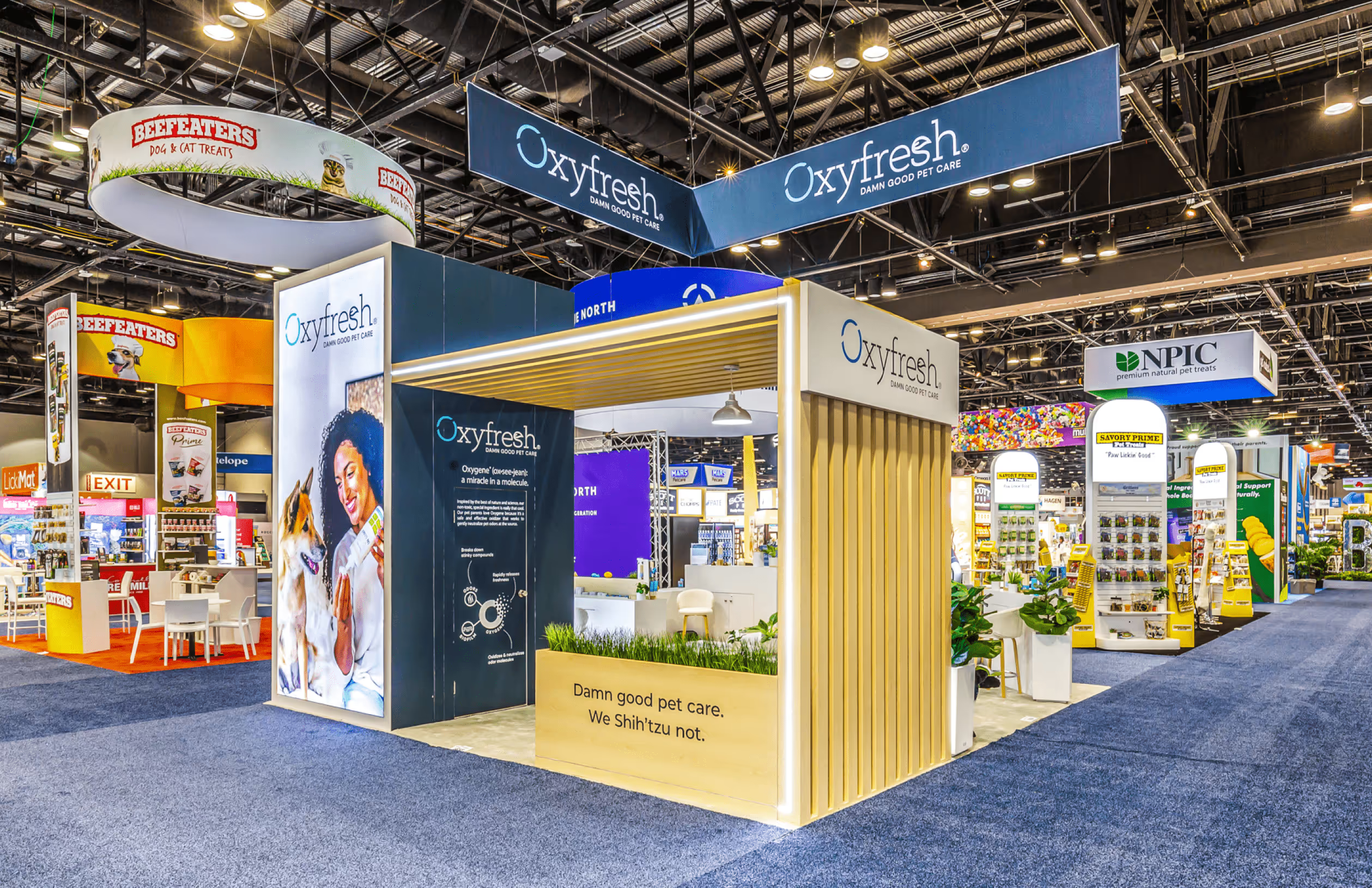

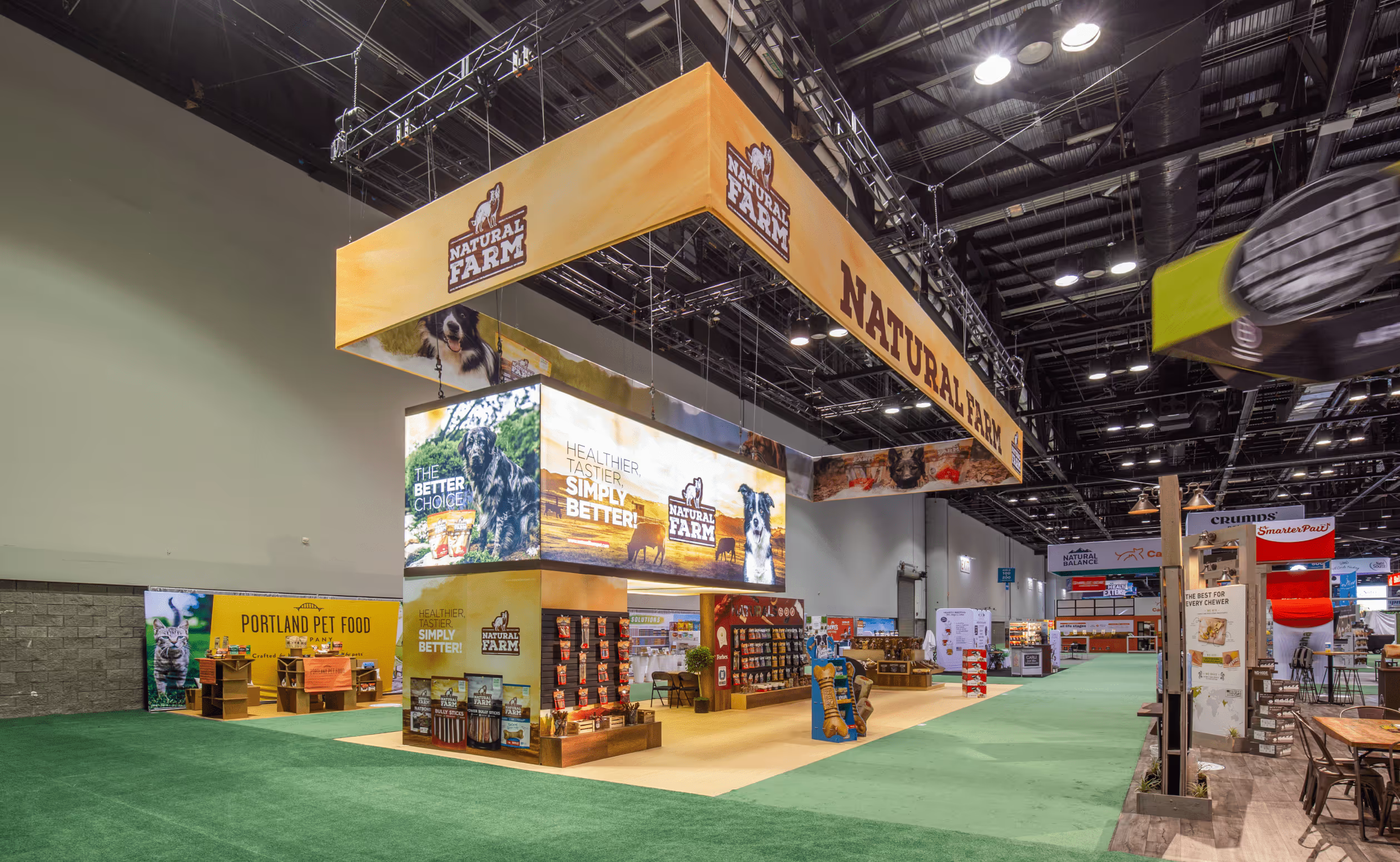

Logistics, staging, and communication were streamlined. EXHIB-IT turned chaos into order: cost control, smoother shows, and peace of mind.
Setup time cut in half. A 30×50 custom booth reduced labor by 192 hours and boosted vendor visibility across the ARA floor.
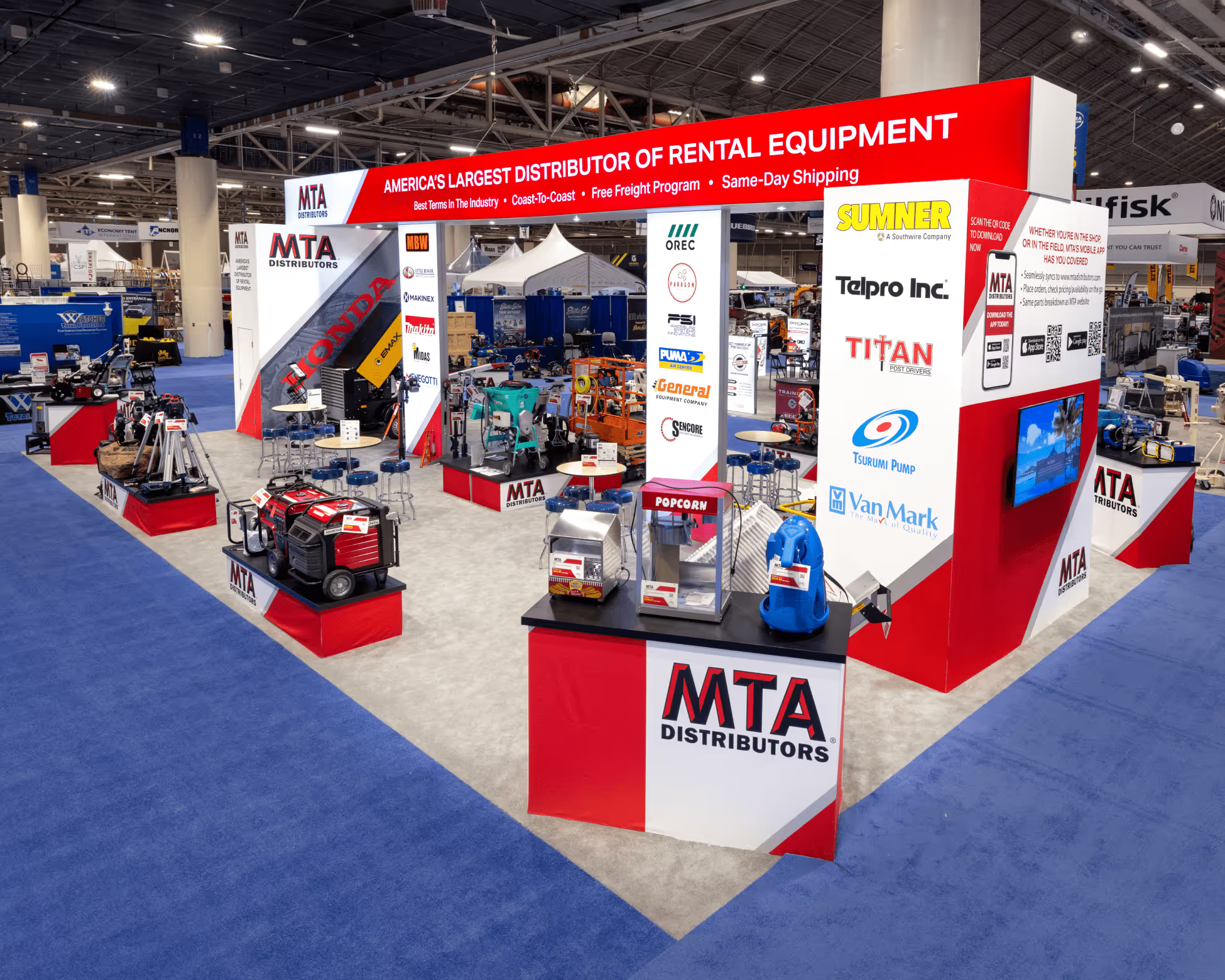

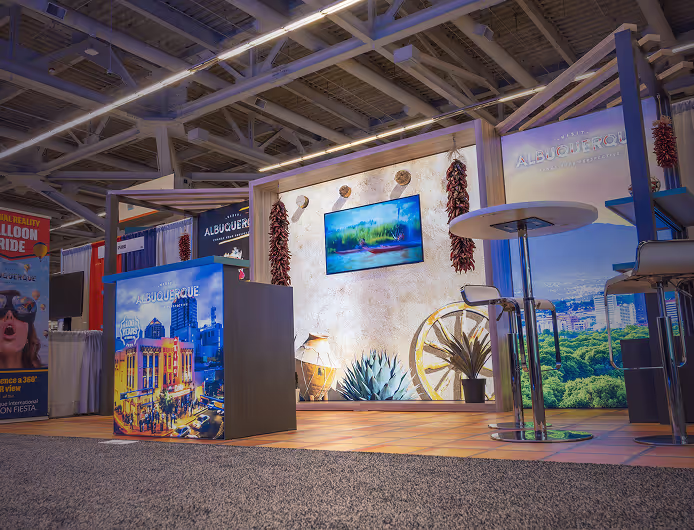

Immersive, culture-first design turned a 20×10 space into a showcase of New Mexico, with adobe textures, local art, and community pride.
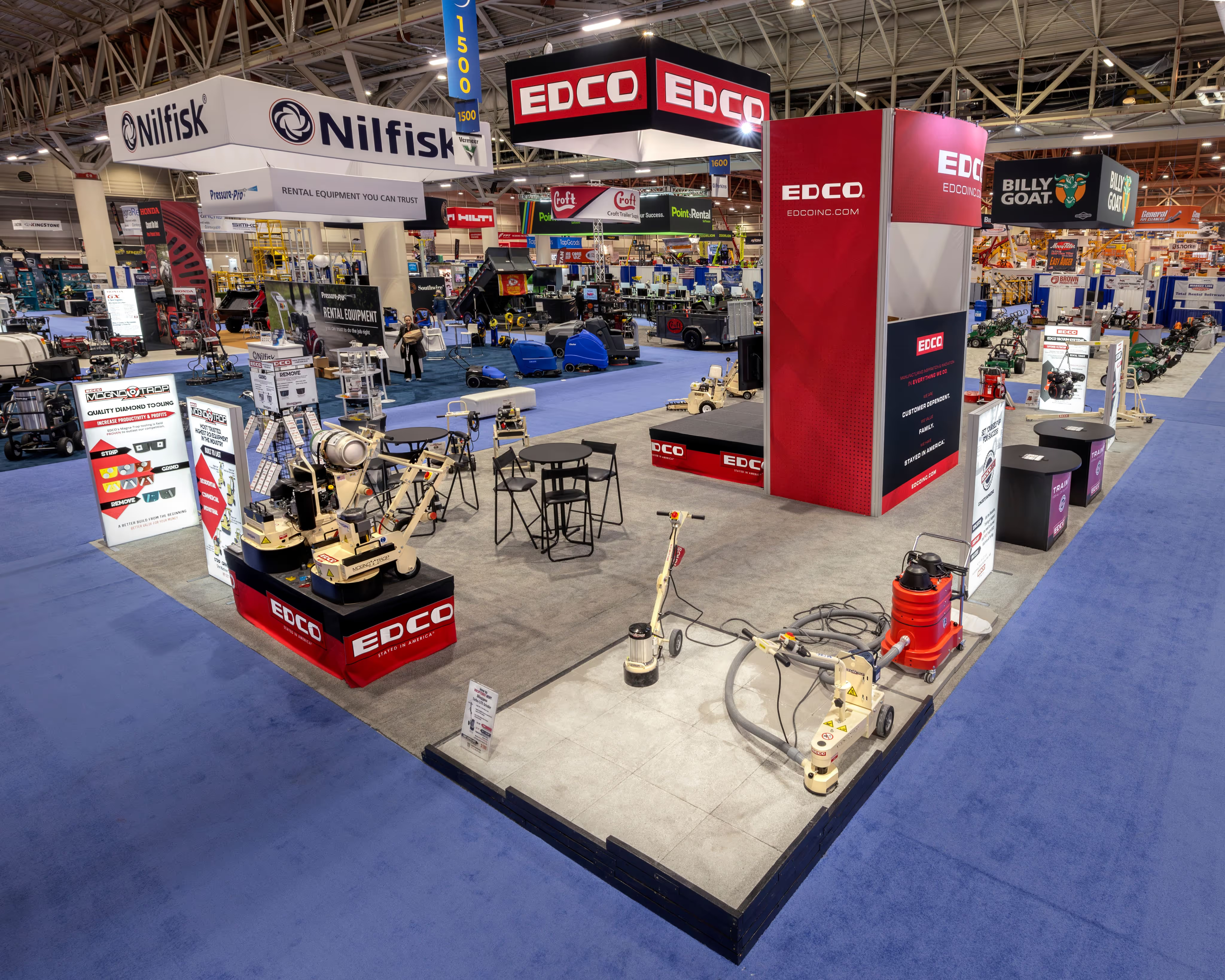
Open-concept booth brought machinery to life. Live demos and training increased engagement and positioned EDCO as industry leader.