
Trade Show Success
Exhibition Day Essentials: Setup, On-Site Management, and Event Logistics

Georgea
December 19, 2024
Exhibition logistics extend far beyond planning. Once the big day arrives, efficient execution becomes crucial to ensuring that all your hard work pays off. From setting up your booth to managing on-site operations and organizing event logistics, this guide will help you navigate the critical phases of exhibition day and beyond. By focusing on these essentials, you can create a seamless and successful event experience.
Setup and Installation
Once your materials have safely arrived at the venue, setting up your exhibition booth and displays is the next phase. This phase requires careful coordination to ensure everything functions properly before the exhibition begins.
Booth Setup Timeline and Tasks
Creating a detailed booth setup timeline is crucial to ensuring a smooth and organized installation. This timeline should break down the tasks of setting up the booth, such as unloading materials, assembling displays, and testing equipment. Be sure to account for any time needed for unexpected issues. Ensure the team members responsible for each task are informed of their roles and prepared for any last-minute adjustments. Starting early will give your team enough time to ensure everything is perfect before opening doors.
Team Coordination on the Day of Setup
A clear team coordination plan is essential on the day of setup. Assign specific tasks to each team member and ensure everyone understands their responsibilities. Consider having a designated point of contact on-site who can resolve any issues quickly and communicate with the event organizers. A checklist can be invaluable to ensure no detail is missed in this phase. It's also important to ensure your team knows who to contact for support if equipment malfunctions or something goes wrong during the setup.
How to Ensure Everything Fits and Functions Properly
Double-checking for fit and functionality is key as your team assembles booths and displays. Measure booth dimensions ahead of time and ensure that all items will fit into the designated space. Test any electronic components or AV equipment to ensure they are working properly. If something doesn't function as expected, make adjustments or arrange for technical support from the venue or an external service provider. The goal is to have everything ready and functioning smoothly before the exhibition begins.
On-Site Management and Support
Once the exhibition is underway, managing operations on-site is just as crucial as planning and setup. From handling team coordination to troubleshooting problems, on-site management ensures everything runs smoothly during the event.
Managing Team Roles and Tasks During the Event
On the event day, assign roles and responsibilities to your team members to keep things running smoothly. Clearly define who is responsible for managing the booth, interacting with attendees, handling logistics, and addressing technical issues. Ensure each team member knows where they must be and what they must do at all times. A well-organized team is key to a successful exhibition and can quickly address any issues during the event.
Troubleshooting and Problem Resolution
No exhibition is without its challenges. Whether it's an unexpected equipment malfunction, a shipping delay, or a missing piece of your booth, having a plan in place for troubleshooting is essential. Designate a team member to handle problem-solving and ensure they have the tools, contacts, and authority to resolve issues quickly. It's also helpful to build flexibility into your schedule so that any hiccups don't interfere with your event's overall flow.
Communicating with Event Organizers
Clear communication with event organizers is critical when you're on-site. Be proactive about any issues or delays that might arise, and keep organizers informed about your progress. If unforeseen changes or adjustments need to be made during the event, having a strong relationship with the event coordinators can help you resolve things quickly. Ensure you know who to contact for various needs, whether technical support, booth adjustments, or additional equipment.
Event Logistics After the Exhibition
As the event concludes, your focus shifts to dismantling your booth and managing event logistics. Proper handling of this phase ensures that everything is wrapped up efficiently and prepares you for future events.
Breakdown and Packing Up Exhibits
Follow the breakdown schedule to ensure that all booth components are packed and shipped back properly. This phase requires careful attention to prevent any items from being damaged or lost during disassembly. Be sure to label everything, track each item's location, and ensure all materials are accounted for before leaving the event.
Transporting Materials Back to the Office or Storage
Once everything is packed up, the next step is to arrange for transport back to your office, warehouse, or storage facility. Confirm the shipping details with the transport company and ensure the right materials are shipped to the right locations. If items need to be stored for future events, organize and catalog everything so it's easy to access when needed. Proper storage and inventory management are critical to prevent damage or loss between events.
Finalizing Documentation and Feedback
Finally, review any documents related to the event, such as vendor invoices, shipping receipts, and any reports from the exhibition organizers. Gather feedback from your team on what went well and what could be improved in future exhibitions. This will help refine your logistics processes and ensure even smoother execution at your next event.
Common Challenges in Event Logistics and How to Overcome Them
Exhibitions often involve tight deadlines and numerous moving parts, making them prone to potential challenges. Whether dealing with delays, damaged materials, or unexpected changes, being proactive and prepared is essential to handling these obstacles smoothly.
Delays in Shipping and What to Do About Them
One of the most frequent challenges in event logistics is shipping delays, whether due to unforeseen weather conditions, customs holdups, or transport issues. Delayed shipments can be a nightmare, especially when critical materials or booth components arrive late, threatening to derail your exhibition plans.
What to do about it:
- Plan Ahead: The best way to handle shipping delays is to build extra time into your logistics plan. Schedule shipments to arrive earlier than necessary to buffer against unexpected delays.
- Track Shipments: Stay on top of shipments with real-time tracking updates. Work closely with your transport partners to get accurate delivery estimates and respond quickly to any signs of delay.
- Have Contingency Plans: Always have backup materials and equipment in case something goes wrong. This can include spare marketing materials, smaller booth setups, or rented items from local suppliers to fill in the gaps.
- Effective Communication: Immediately inform your team and event organizers if a delay occurs. This allows everyone to adjust plans and expectations, reducing stress and minimizing disruptions to your setup.
Handling Damaged or Missing Materials
Exhibitions can be physically demanding, and materials are often subjected to rough handling during transport, setup, or breakdown. Items may arrive damaged, or worse—some materials could go missing entirely.
What to do about it:
- Proper Packaging: The key to minimizing damage is in the packing. Use high-quality, durable packaging to protect delicate items like electronics or glass components. Ensure all items are securely padded and packed in boxes labeled for fragile handling.
- Inventory Check: Conduct a thorough inventory check before the event. This ensures that you know exactly what's in transit and helps you quickly identify anything missing or damaged once it arrives.
- Insurance: For high-value items, consider insurance coverage to protect against potential damage or loss. Many logistics companies offer additional insurance options for shipping delicate or valuable materials.
- Work with Reliable Vendors: When selecting suppliers or logistics partners, choose those with a proven track record of safe and reliable service. This reduces the likelihood of damaged shipments and gives you peace of mind.
- Damage Control on Site: If something does get damaged, immediately assess whether it can be repaired or if a replacement is needed. Many event organizers have vendors available on-site for emergency repairs, such as fixing broken display screens or touch-up services for booth design elements.
Managing Last-Minute Changes to Setup
Exhibitions often involve tight coordination between multiple teams: designers, installers, event organizers, and vendors. As the event date approaches, you may face last-minute changes to the booth design, layout, or event schedule. These changes can create stress and confusion but can be managed properly and flexibly.
What can you do:
- Be Flexible and Ready to Adapt: While having a well-organized plan is important, it's equally important to be flexible. Prepare your team for last-minute changes by ensuring everyone is familiar with the overall goals and is adaptable to new setups.
- Clear Communication: Establish a clear communication line with your team, event organizers, and suppliers. Everyone should be notified promptly and informed about updated timelines, expectations, and responsibilities if changes occur.
- Delegate Responsibilities: Assign a team member to handle last-minute requests or changes so you have someone specifically dedicated to managing shifting priorities. This helps avoid confusion and ensures that someone is taking ownership of any adjustments needed on the fly.
- Prepare for the Unexpected: Have a few contingency plans for possible layout adjustments or booth redesigns. Ensure you have spare materials or flexible booth design options that can be adjusted without disrupting the event flow.
Exhibition day is a culmination of your planning and preparation efforts. By focusing on efficient setup, effective on-site management, and organized event logistics, you can ensure a smooth and successful event experience. Addressing common challenges with proactive strategies helps minimize disruptions and keeps your event running seamlessly.
With a solid plan and a well-coordinated team, your exhibition can leave a lasting impression on attendees and set the stage for future success.




Featured Projects
Trending Article


November 24, 2025



November 6, 2025

November 6, 2025
Brand & Design
Georgea
The Hidden Power of a Trade Show Display Case: Turning Products Into Show-Stoppers
Your hero product deserves more than a corner on your booth. Yet at most trade shows, it ends up blending into the background, buried under signage, giveaways, and distractions. A well-placed trade…




Featured Projects
Featured Projects



Custom exhibit design, ops & logistics saved over $26,500/year and elevated audience engagement at major shows.
3X - Custom booth design and layout strategy led to a 3X increase in lead capture at Natural Products Expo West.
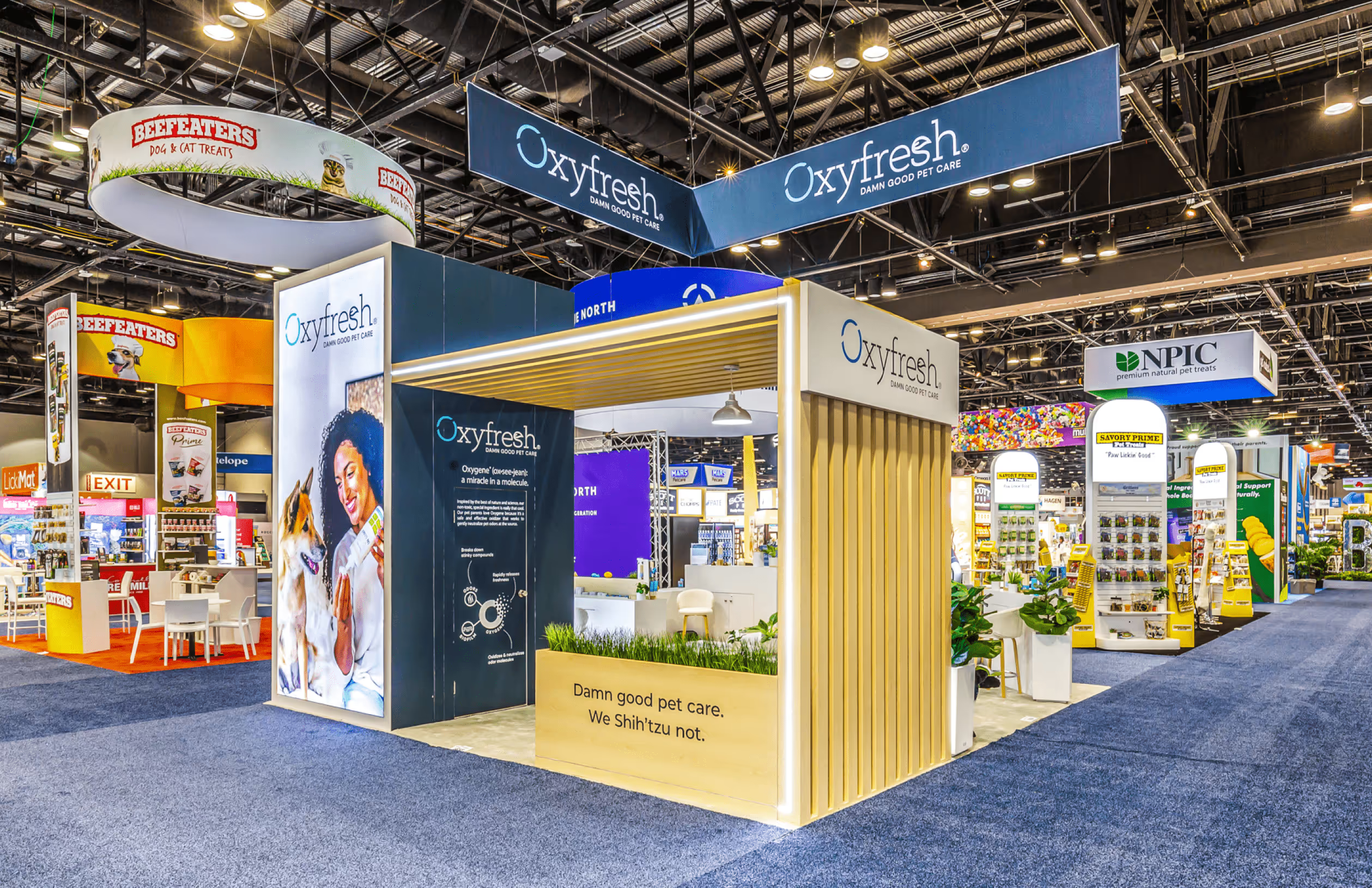

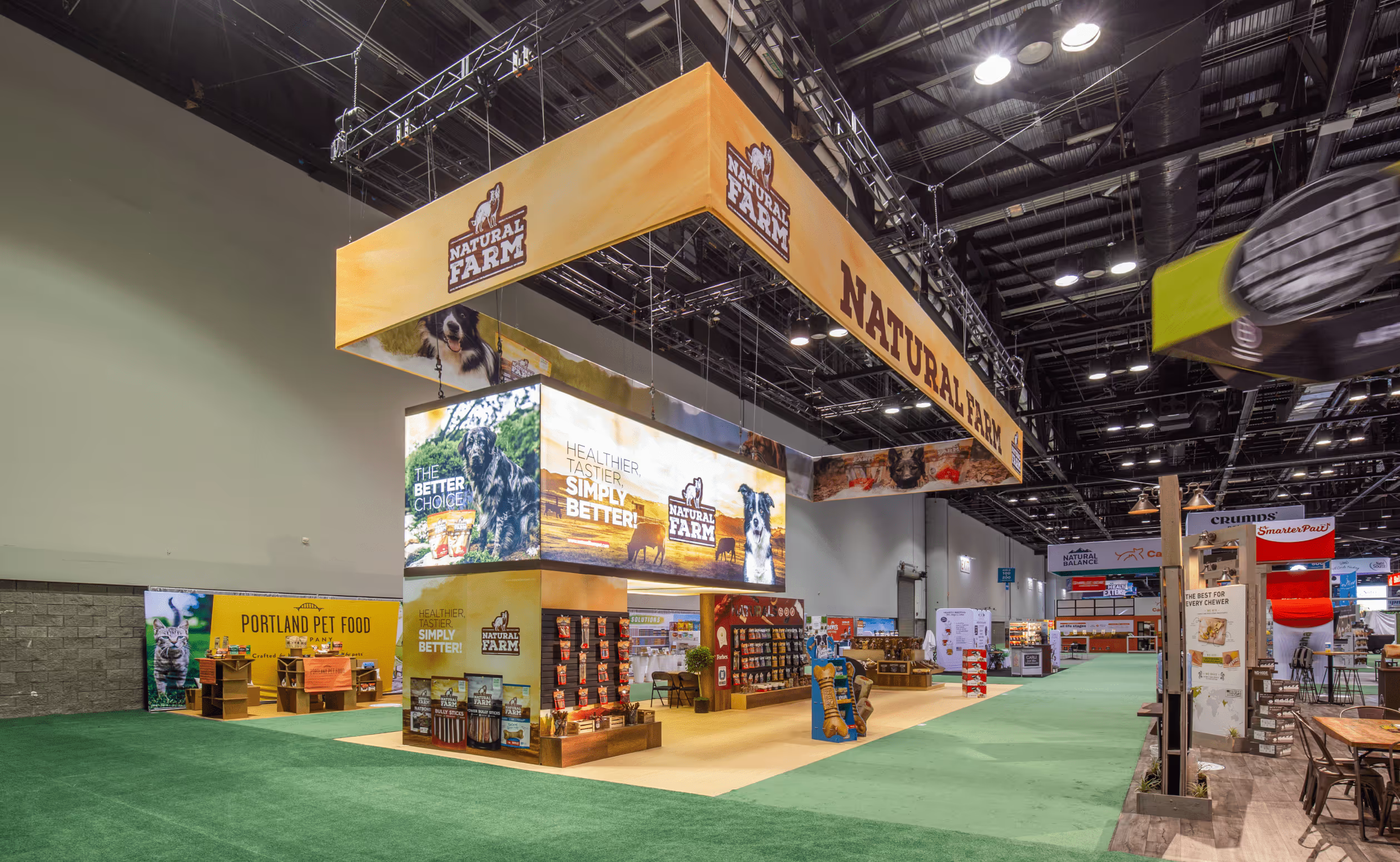

Logistics, staging, and communication were streamlined. EXHIB-IT turned chaos into order: cost control, smoother shows, and peace of mind.
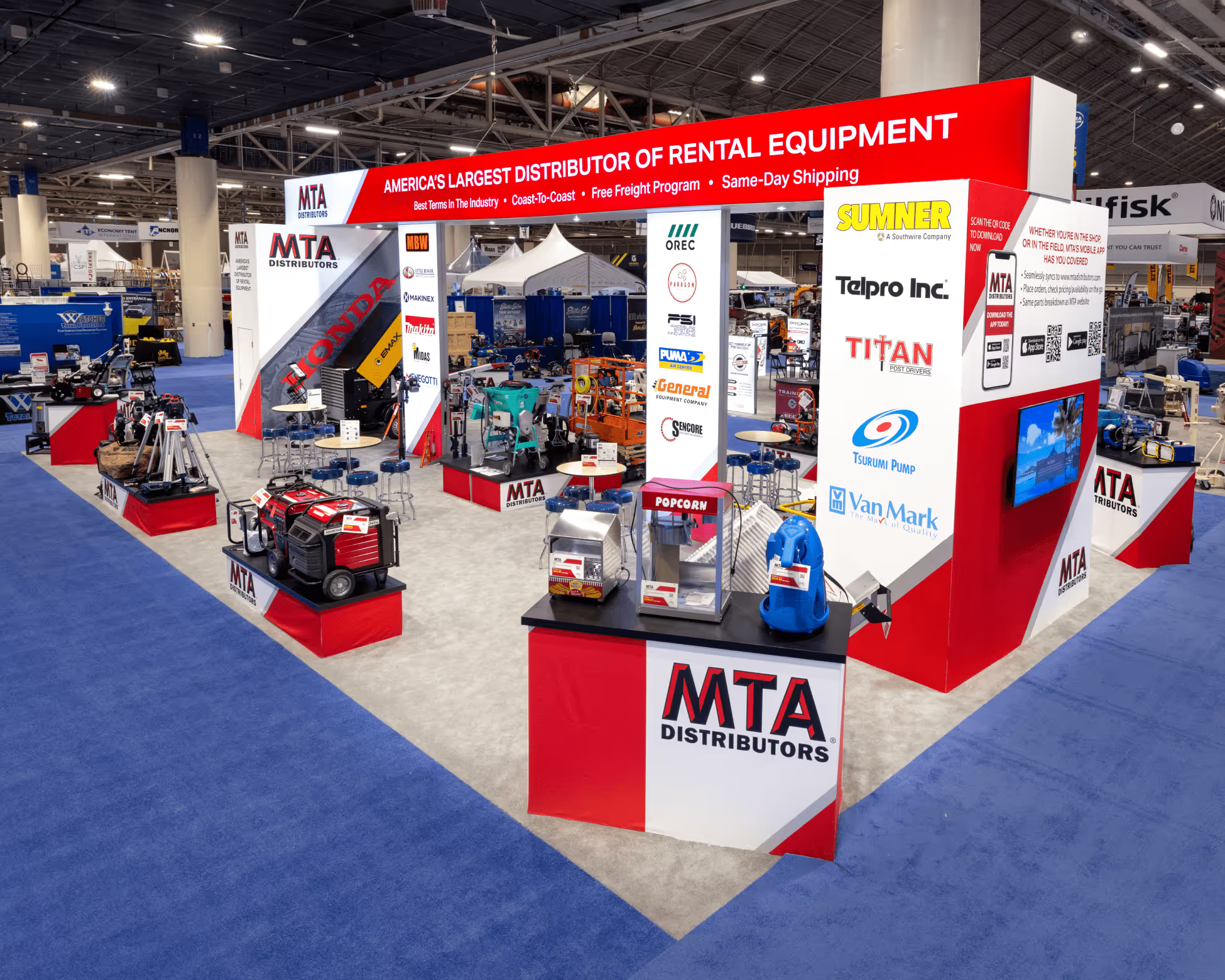
Setup time cut in half. A 30×50 custom booth reduced labor by 192 hours and boosted vendor visibility across the ARA floor.

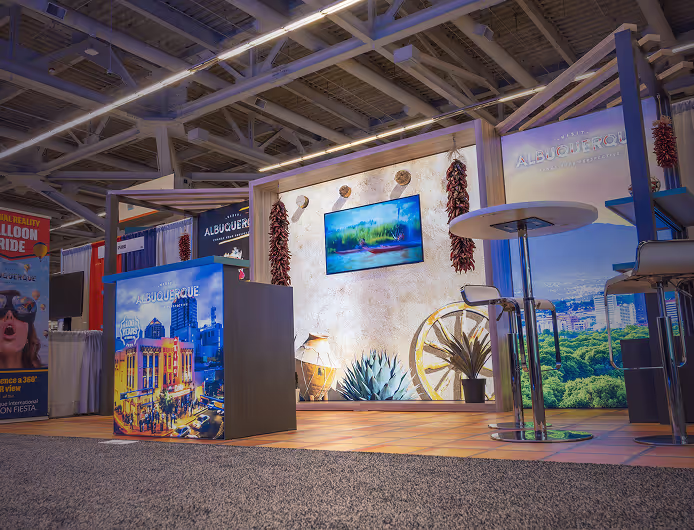

Immersive, culture-first design turned a 20×10 space into a showcase of New Mexico, with adobe textures, local art, and community pride.
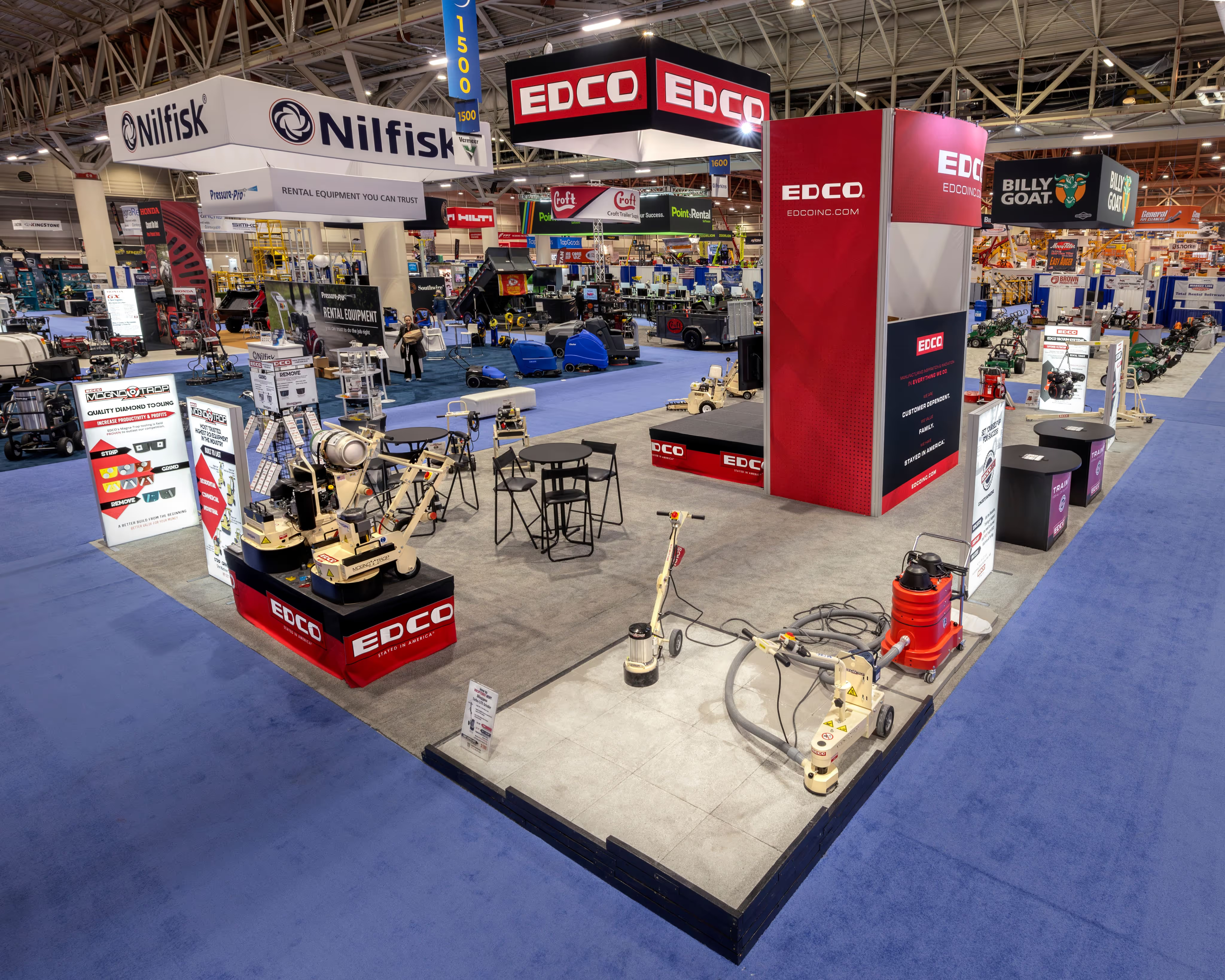
Open-concept booth brought machinery to life. Live demos and training increased engagement and positioned EDCO as industry leader.