
Trade Show Success
Are You Exhibiting at the Right Trade Shows? Heres How to Find Out.

Georgea
October 23, 2019
No matter how well-branded your display, if your target audience doesn't show up at a particular trade show, you've wasted valuable time, money and energy by exhibiting. The whole point of trade show marketing is to connect exhibitors with their ideal customers. Use this six-point plan to select trade shows that attract the right attendees for your business.
#1. Establish Your Trade Show Marketing Goals.
Are you looking to expand into new markets or territories? Upgrade or upsell your legacy customers to a newer, better system? Gain additional insights into your competitors' offerings? When you select a trade show, keep your marketing goals front of mind. If a particular show can't help you attain at least one of your goals, don't book a booth there.
#2. Define Your Target Customers.
Start where you are and use what you already know. By combing through the demographics of your existing customer base, you'll get a better picture of the market you currently serve. Assuming you want MORE of those same types of customers in the future, gathering this information will help you select trade shows that attract that same demographic. Building customer personas can be helpful because it forces you to focus on customer data points such as:
- title or role within the company
- personal background and demographics
- buying habits and sales cycle
- how long they've been a customer
- on-the-job challenges
- department and company goals
Your CRM database is a great source for some of this data, but likely won't yield a complete picture, so for this exercise, you'll also need to sit down with your sales and marketing team for an hour or two. Be sure to create two or three primary personas to reflect customers with a variety of spend levels and lifecycles.
(Note: If you've never developed your own customer personas, there are several outstanding online tools, such as HubSpot's free Make My Persona Tool, that can walk you through the process of collecting and organizing all the necessary data.)
Are your existing customers also your IDEAL customers? Often, they're not. As your business grows and evolves over time, you may need to develop an additional set of prospect personas to better address changing business models and expanded product or service lines. Use the data points in the above section to define your ideal sales prospects in new markets.
#3: Ask Sales Prospects for their Input.
In addition, solicit feedback directly from prospective clients to find out:
- Which trade shows your prospects generally attend each year
- How interested they are in your product or service line overall
- Which products or services they're most interested in
- How they rate their experience at a particular trade show
Whether you send out a survey invitation or simply call sales leads by phone, you'll gain valuable insights that can guide you toward the right trade shows, expos and conferences.
#4: Create a Master Trade Show List.
Armed with your marketing goals and customer and prospect personas, you're now in a much better position to evaluate potential trade shows at which to exhibit. Time to make your master list!
To get started, first browse your local Chamber of Commerce event calendar, as well as events listed for your local convention centers or exposition halls, and mark down any that look interesting. Be sure to grab the shows' website URLs so you can visit them later.
Next, broaden your search to include national shows. Browse to any online Trade Show Calendar, such as Nth Degree, and search for shows based on city, state, country, industry, and time of year.
As you're reviewing each show's website, consider these factors:
- Reputation of the event (Is it well-known in your industry? Are there testimonials from past attendees?)
- Ability to network with colleagues (Will your business partners and vendors be there?)
- Communication of trade show staff and exhibitors (Is the show organizer easy to get hold of or will you go to the event with lingering questions?)
- Quality of event speakers (Do they appear to be big names or just local experts?)
- Size of the event vs. needs of your business and/or industry (Is the event too big or too small for your business and goals?)
- Value for the money (What's your estimated ROI?)
#5: Contact Show Organizers.
Now that you have your master list, you need to dig into the details to try to find the shows that will attract the right attendees and offer you the best return on your investment. Contact show organizers and discuss their results from previous shows. In particular, you want to ask about:
- Total attendance
- Net attendance (excluding exhibitors)
- Post-show exhibitor feedback and survey results (if any)
- If the information provided is audited by an outside agency
- If it's a first-time show, review other (past) events that were put on by this same show organizer
If the show organizer can't or won't get back to you and provide these details, move on. Poor organizer-exhibitor communications is a red flag and can lead to misunderstandings come show time.
#6: Narrow Down to a Short List of Critical Shows.
Lastly, the hard part. Obviously, you can't go to every show on your wish list, so you'll have to pare it down to just the most critical shows that you believe will yield the highest return on your investment.
Be careful not to just pick the cheapest shows or just local shows. Even though it's more expensive, traveling to a large industry show out of town will often net more qualified leads and more brand exposure, as well as providing an opportunity to network with a broader group of prospective suppliers, partners and vendors.
Success Is Within Reach
Choosing the right trade shows takes WORK, but now that you know how to make an informed decision, your chances of having a successful trade show marketing experience just increased dramatically. Happy exhibiting!
Still need help? Contact us for all your trade show display and trade show management needs.






Featured Projects
Trending Article



November 24, 2025



November 6, 2025

November 6, 2025
Brand & Design
Georgea
The Hidden Power of a Trade Show Display Case: Turning Products Into Show-Stoppers
Your hero product deserves more than a corner on your booth. Yet at most trade shows, it ends up blending into the background, buried under signage, giveaways, and distractions. A well-placed trade…




Featured Projects
Featured Projects



Custom exhibit design, ops & logistics saved over $26,500/year and elevated audience engagement at major shows.
3X - Custom booth design and layout strategy led to a 3X increase in lead capture at Natural Products Expo West.

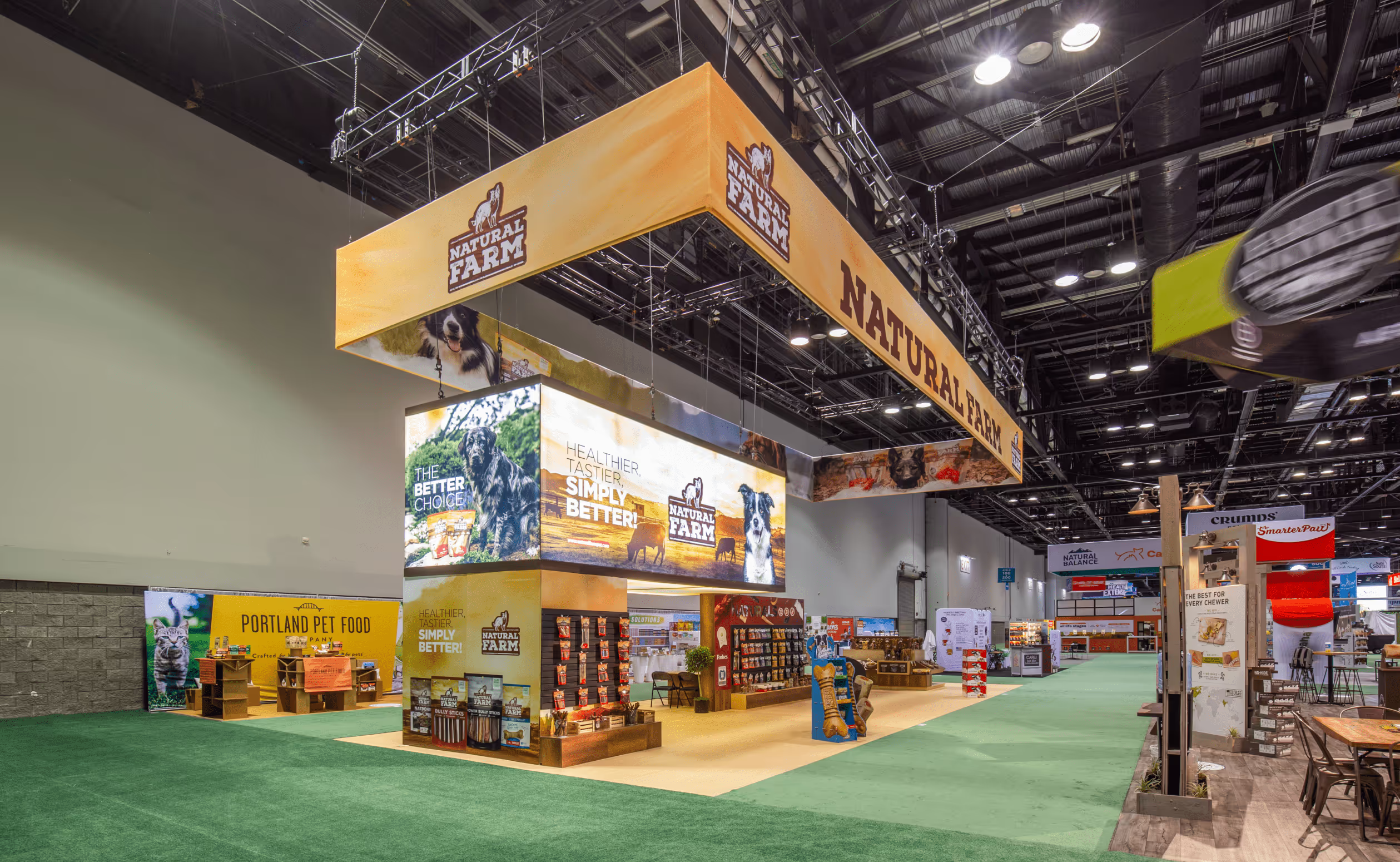

Logistics, staging, and communication were streamlined. EXHIB-IT turned chaos into order: cost control, smoother shows, and peace of mind.
Setup time cut in half. A 30×50 custom booth reduced labor by 192 hours and boosted vendor visibility across the ARA floor.
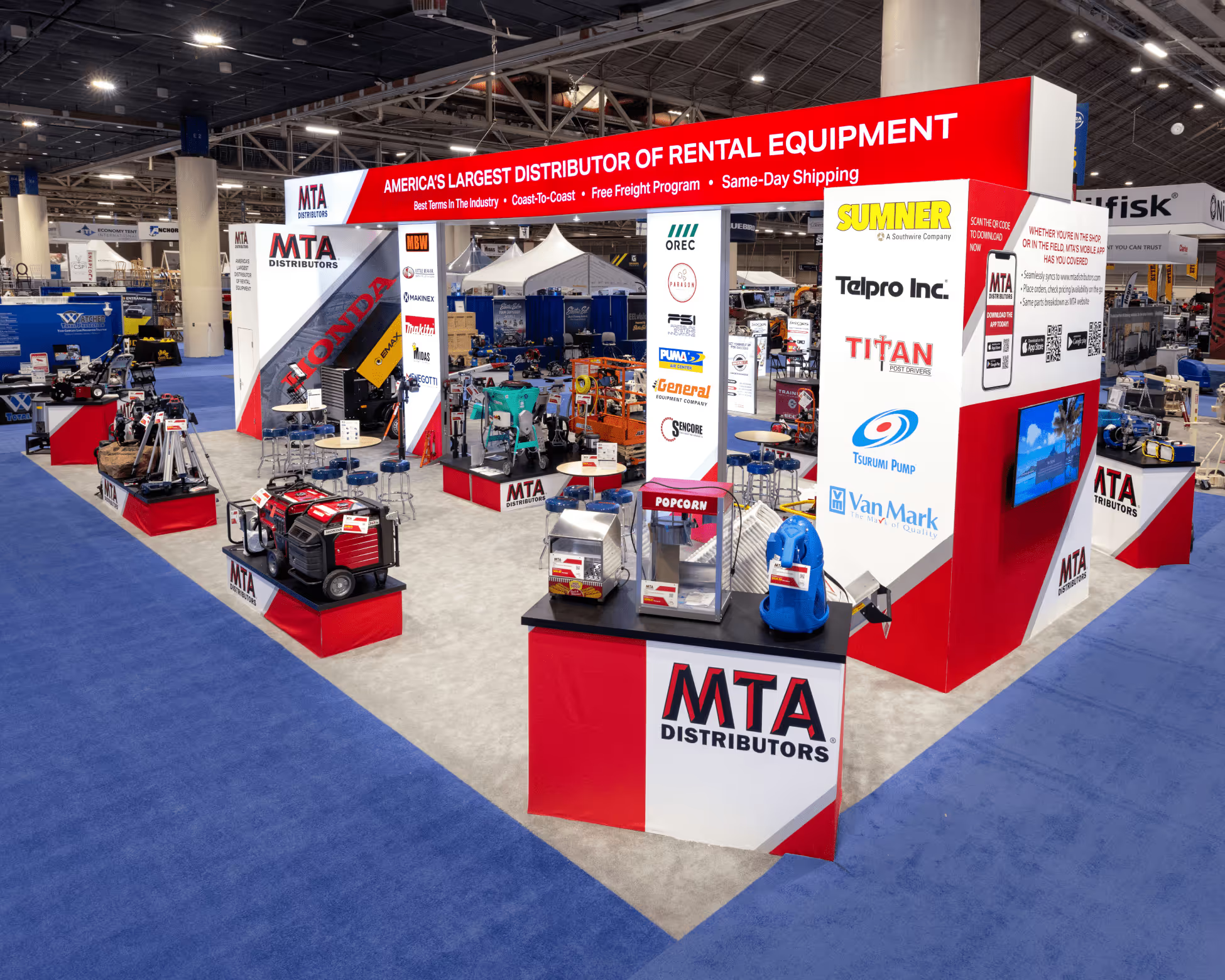
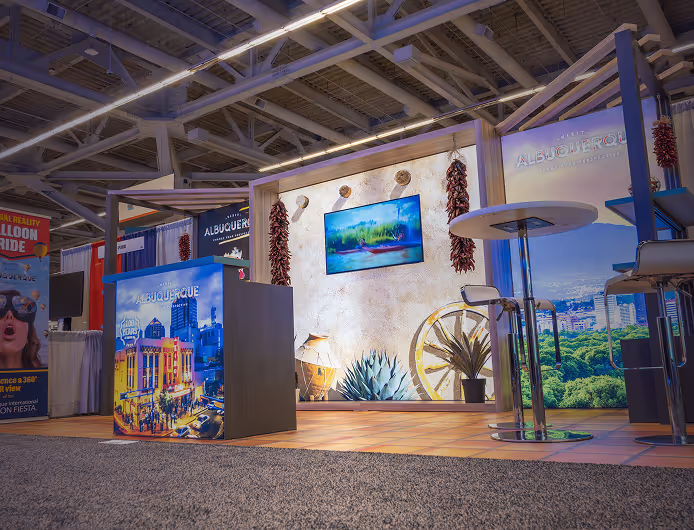

Immersive, culture-first design turned a 20×10 space into a showcase of New Mexico, with adobe textures, local art, and community pride.
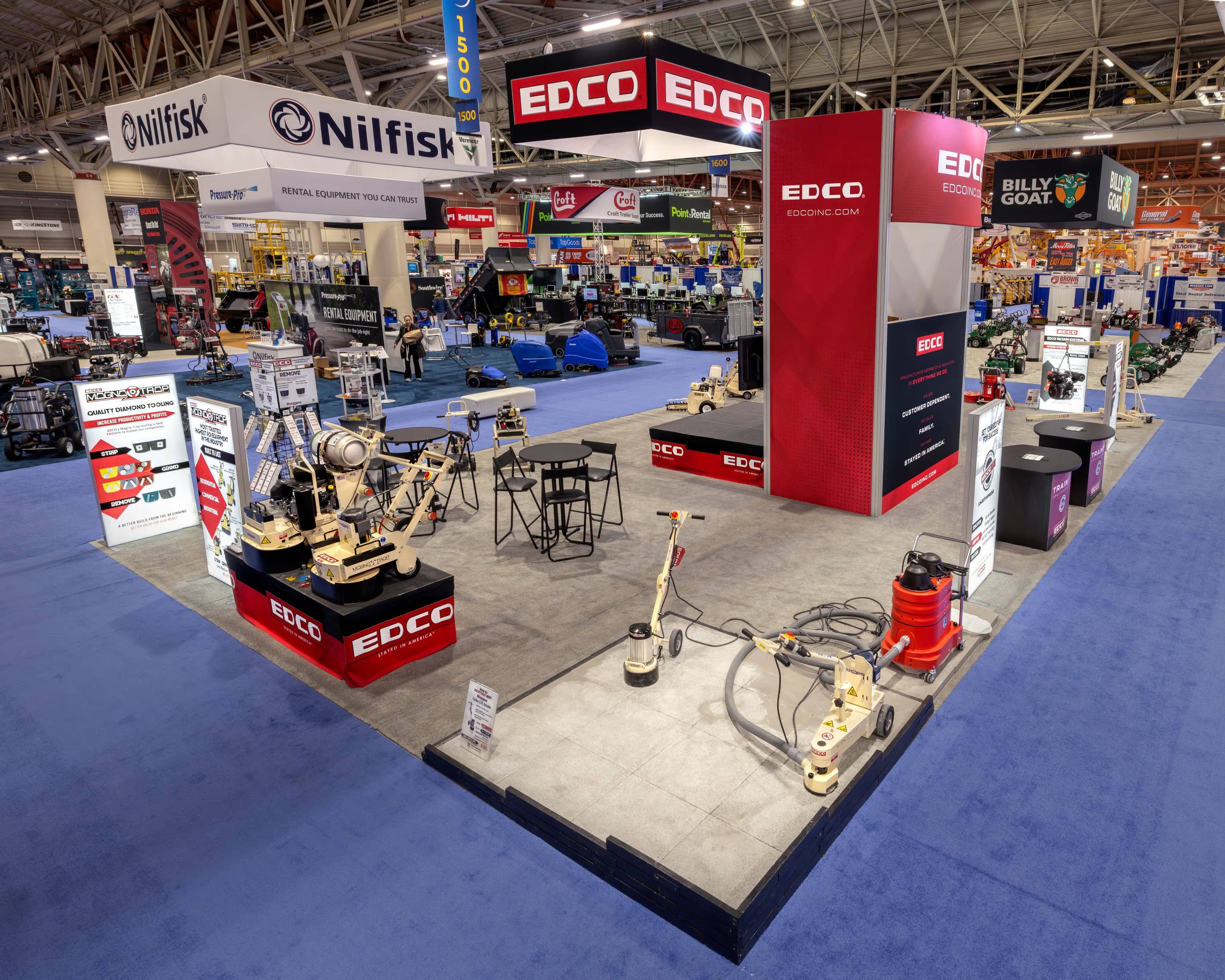
Open-concept booth brought machinery to life. Live demos and training increased engagement and positioned EDCO as industry leader.