
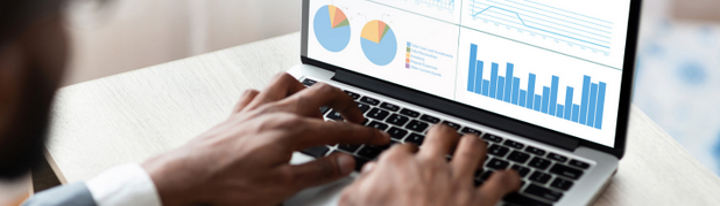
 Most exhibitors begin thinking about results once the booth is already on the floor. By then, the strategy window has…
-
Browse Trade Show Products

Trade Show Booth Displays

Portable Displays & Graphics

Outdoor Displays

Accessories & Add-on Items
$18.99
$25.00Sale
Color:Red/Dark blue/White
Product available
Product info
Style
- Banner Stand
Composition
- All-Aluminum Frame
- Venal Material
- Free Case
Art. No.
- 183260098
Most exhibitors begin thinking about results once the booth is already on the floor. By then, the strategy window has…
 Most exhibitors assume people stop because a booth looks "impressive" or expensive. In reality, the decision happens…
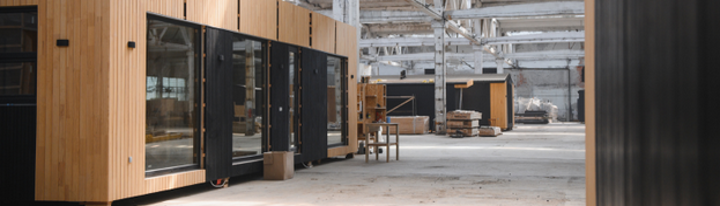 Trade show production is the backbone of any successful exhibition. While marketing draws people in, it is the…
 When it comes to trade shows, a booth acts as more than a space to display your products; it is your primary opportunity…
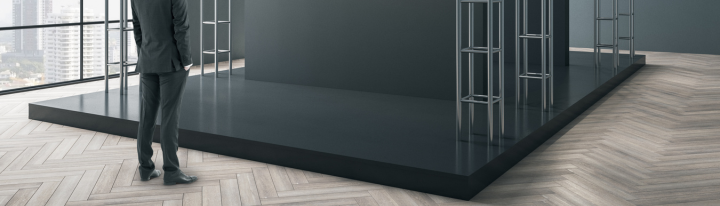 When you walk a trade show floor, it’s easy to spot which booths pull people in and which ones fall flat. Sometimes…
 For years, exhibitors have assumed that a bigger booth equals a better outcome. More square footage feels like progress.…
Pre-Show Outreach: The Competitive Advantage Nobody Talks About

Most exhibitors begin thinking about results once the booth is already on the floor. By then, the strategy window has largely closed, and success depends on who happens to walk by.The strongest teams shift that timeline forward.They start preparing weeks before the event, long before crates are sealed, and freight is booked. That early work changes…
Why Do Attendees Pause at Certain Booths but Walk Right Past Yours?
Most exhibitors assume people stop because a booth looks "impressive" or expensive. In reality, the decision happens much faster and for a simpler reason. Attendees pause when their brains can understand the space almost instantly.On a crowded show floor, no one is searching for complexity. If a booth layout feels confusing, cluttered, or visually…
Trade Show Production: What to Prioritize for a Successful Show
Trade show production is the backbone of any successful exhibition. While marketing draws people in, it is the production quality that determines the experience. Trade shows are designed to create experiences that capture attention, drive engagement, and turn interactions into measurable results. However, success begins long before the booth is set…
What to Look For in a Trade Show Booth Design Company
When it comes to trade shows, a booth acts as more than a space to display your products; it is your primary opportunity to make a lasting impression. Designing an effective booth requires more than creative graphics or flashy tech. The right trade show booth design company makes the difference between a show that generates leads and one that feels…
Avoid These Common Pitfalls in Exhibition Booth Design
When you walk a trade show floor, it’s easy to spot which booths pull people in and which ones fall flat. Sometimes the message is unclear, sometimes the layout feels confusing, and sometimes visitors simply don’t know where to look. Brands invest heavily in visuals, materials, and buildouts, yet small missteps in the exhibition booth…
You Do Not Need More Space. You Need More Purpose
For years, exhibitors have assumed that a bigger booth equals a better outcome. More square footage feels like progress. More panels. More screens. More structure. More everything.But on a trade show floor where attention moves fast, size is rarely the thing that moves conversations forward. Purpose is. When “More Booth” Turns Into “More…